





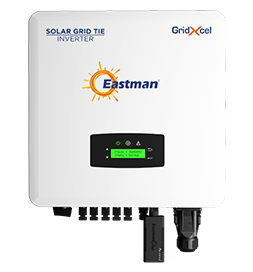

 3kW - 6kW
 10
10
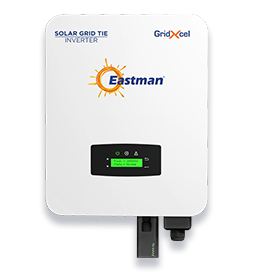

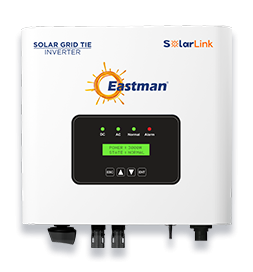

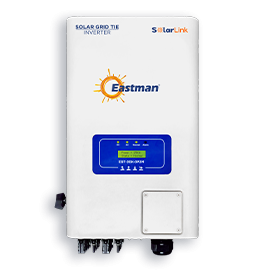

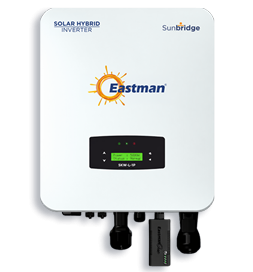

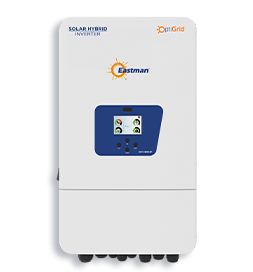
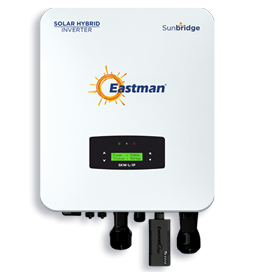

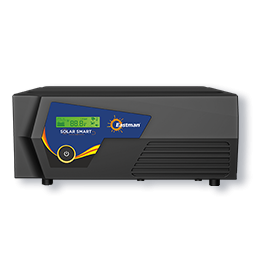

 PWM
PWM

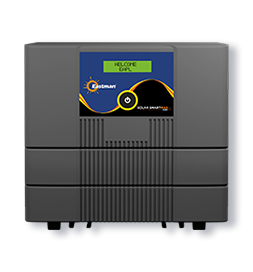

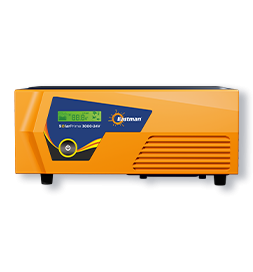

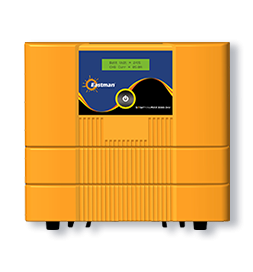
Best Solar Inverter in India for Homes & Businesses
A solar inverter plays an important role in a solar power system by converting the direct current (DC) electricity generated by solar panels into alternating current (AC) electricity used by homes, businesses, and other applications. It also helps manage power flow, improve energy utilisation, and maintain safe system operation.
Eastman Solar offers inverter solutions designed for residential, commercial, and industrial solar installations. The range includes on-grid and off-grid inverters with Pulse Width Modulation (PWM) and Maximum Power Point Tracking (MPPT) technologies, multiple capacity options, intelligent charging capabilities, and safety features.
What is a Solar Inverter and Why is it Important?
A solar inverter is a key component that enables solar energy to power electrical appliances. Solar panels generate DC electricity, which cannot be directly used by most household and commercial equipment. The inverter converts this DC power into AC electricity suitable for daily consumption.
The importance of an inverter depends on the type of solar system:
- On-grid Solar Inverters: These systems connect directly with the utility grid and allow users to use solar power while exporting surplus electricity through applicable net metering arrangements.
- Off-grid Solar Inverters: These systems work independently of the grid and typically use batteries to store energy for use during power outages or low sunlight conditions.
- Hybrid Solar Inverter: These combine solar generation, grid connectivity, and battery storage for flexible energy management.
Explore Eastman High Efficiency Solar Inverters
The range includes both grid-connected and independent power solutions designed to support efficient solar energy conversion.
| Solar Inverter Type | Suitable Applications | Key Benefits |
|---|---|---|
| On Grid Solar Inverter | Homes, offices, and commercial rooftop systems | Converts solar power for grid-connected use, supports efficient energy utilisation, and enables excess power export through suitable arrangements |
| Off Grid Solar Inverter | Homes, remote areas, and backup power requirements | Supports battery-based systems and provides power availability when grid electricity is unavailable |
| Hybrid Solar Inverter | Homes and businesses requiring solar generation, battery storage, and backup power | Combines solar, battery, and grid power management in one system. It can store excess solar energy, provide backup during outages, and optimise energy usage based on availability |
| MPPT-Based Inverter Models | Systems requiring improved solar energy harvesting | Helps optimise energy extraction from solar panels under changing sunlight conditions |
| PWM-Based Inverter Models | Smaller solar systems and basic backup applications | Provides a cost-effective solution for suitable solar installations |
Features such as remote monitoring, protection against electrical faults, and compatibility with different solar configurations help users select an inverter based on their specific requirements.
How to Choose the Best Solar Inverter in India
Follow these steps when choosing a suitable inverter:
Assess Your Power Requirements
Calculate the total load of appliances and equipment that will operate through the solar system. This helps determine the required inverter capacity.
Select the Right Inverter Type
Choose between on-grid, off-grid, or hybrid configurations based on grid availability, backup requirements, and energy usage patterns.
Match Inverter Capacity With Solar Panels
Ensure that the inverter capacity, voltage range, and input specifications are compatible with the connected solar panel system.
Consider Efficiency and Technology
MPPT-based inverters can improve solar energy harvesting, especially under changing sunlight conditions. Review conversion efficiency before selection.
Check Safety Features
Look for protection against overload, short circuits, voltage fluctuations, reverse polarity, and other electrical issues.
Review Monitoring Options
Smart monitoring features help users track electricity generation, consumption, system performance, and faults.
Consider Warranty and Future Expansion
Review warranty coverage and select an inverter that can support possible increases in electricity demand or additional solar capacity.
Eastman Solar provides inverter options for different energy needs, allowing users to select solutions based on system size, application type, and long-term power requirements.
FAQs
How long does a solar inverter typically last?
A good quality inverter typically lasts 10–15 years, depending on quality, installation, and maintenance. Eastman Solar inverters come with up to 10 years* warranty, terms apply.
What is the ideal inverter size for my solar system?
It depends on solar panel capacity, connected electrical load, and energy consumption. A professional assessment helps determine the suitable inverter capacity for your requirements.
Can I upgrade my existing solar inverter in the future?
Yes, sometimes, depending on system compatibility, inverter specifications, solar panel capacity, and future energy needs. A technical assessment is recommended before making changes.
Does a solar inverter work during a power outage?
An on-grid inverter generally stops for safety reasons. Off-grid and battery-supported systems can continue supplying power during outages when correctly designed and installed.
How much electricity does a solar inverter consume?
It uses a small amount for internal operation, monitoring, and system management. Actual consumption depends on the model, capacity, operating conditions, and features included.
What maintenance does a solar inverter require?
Generally limited maintenance. Regular checks of connections, ventilation, dust accumulation, system performance, and error alerts help maintain efficient operation and catch issues early.
 78728 78728