





 3kW
& 5kW
3kW
& 5kW
 10
10


Best Hybrid Solar Inverter for Reliable Solar & Battery Backup
As more homeowners adopt solar energy solutions, managing power generation, storage, and consumption efficiently has become important. A hybrid solar inverter helps optimise solar energy usage by combining solar power conversion, battery storage management, and grid interaction in a single system.
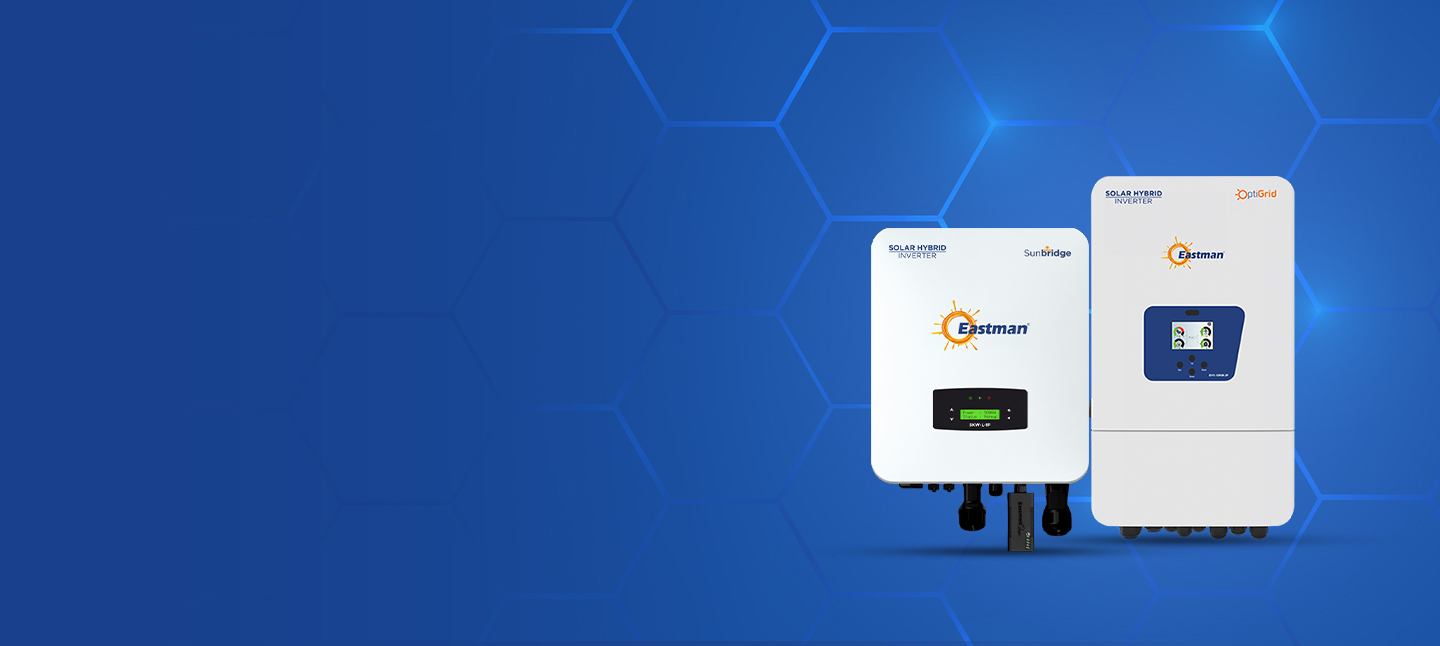
Eastman’s IP65 hybrid inverter range is designed to support residential solar applications by providing reliable energy management, flexible installation options, and compatibility with battery storage systems.
How Does a Solar Hybrid Inverter Work?
A solar hybrid inverter manages the flow of electricity between solar panels, batteries, household appliances, and the grid. It converts the direct current (DC) electricity generated by solar panels into alternating current (AC) electricity that can be used to power home appliances.
During the day, the inverter prioritises solar energy to meet household electricity requirements. When solar generation exceeds consumption, the additional energy can be stored in connected batteries for later use. If solar power and battery storage are insufficient, the system can draw electricity from the grid to maintain a continuous power supply.
Benefits of Choosing a Hybrid Solar Inverter
A hybrid solar inverter can improve how homeowners generate, store, and use solar energy.
Key benefits include:
- Improved Solar Energy Utilisation: Hybrid inverters help maximise the use of electricity generated from solar panels by directing excess energy towards battery storage instead of allowing it to go unused.
- Battery Backup Support: When connected with compatible batteries, hybrid inverters can store surplus solar energy for use during power interruptions or periods of low solar generation.
- Reduced Grid Dependency: By using stored solar energy when required, homeowners can reduce their reliance on grid electricity and improve overall energy independence.
Explore Eastman Hybrid Inverter Solutions
Eastman offers IP65 hybrid inverter solutions with a 10-year* warranty designed to support different residential energy requirements.
-
Low Voltage Hybrid Inverter
Low-voltage hybrid inverters are suitable for residential solar installations with moderate energy requirements. These systems help manage electricity generated from solar panels, stored battery energy, and grid power to support efficient household energy usage.
Eastman’s low-voltage IP65 hybrid inverter range includes:
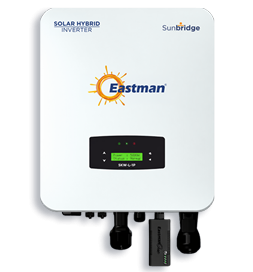
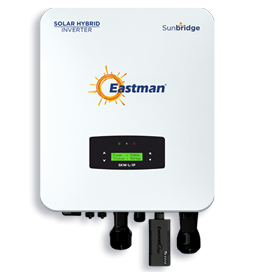
Solar Hybrid Inverter (IP65) Single Phase – Low Voltage
Designed for residential applications, this single-phase hybrid inverter is available in 3kW and 5kW capacity options. It supports efficient solar energy management while helping homeowners integrate battery storage for improved energy availability.
Solar Hybrid Inverter (IP65) Three Phase – Low Voltage
This three-phase low-voltage hybrid inverter is available in 5kW and 10kW capacity options. It is suitable for larger residential properties requiring higher energy capacity while maintaining efficient solar and battery power management.
-
High Voltage Hybrid Inverter
High-voltage hybrid inverters are designed for residential installations with higher energy requirements and greater scalability needs. These systems support higher-voltage battery configurations, helping improve energy management for larger homes and advanced solar setups.
Eastman’s high-voltage IP65 hybrid inverter solution includes:
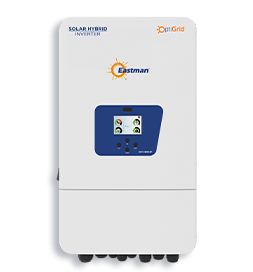
Solar Hybrid Inverter (IP65) Three Phase – High Voltage
Available in 5kW, 10kW, and 15kW capacity options, this three-phase high-voltage hybrid inverter is designed for larger residential applications requiring increased power capacity, efficient energy conversion, and flexible battery integration.
Key Features of Eastman Hybrid Solar Inverters
Eastman hybrid solar inverters combine advanced energy management features with the protection and flexibility required for modern residential solar systems.
Key features of the best hybrid inverter include:
- IP65 Protection: The IP65 rating provides protection against dust and water exposure, making the inverters suitable for installation in different environments.
- Battery Compatibility: The inverters support compatible battery storage solutions to improve energy availability and backup capability.
- Smart Monitoring: Monitoring features help homeowners track system performance and understand energy usage patterns.
FAQs
Can a hybrid inverter work without batteries?
Yes, some hybrid inverters can operate without batteries, depending on the model. Adding battery storage lets homeowners store excess solar energy for nighttime or outage use.
Can a hybrid inverter charge batteries using solar energy?
Yes, it can use surplus solar energy to charge connected batteries. Excess electricity from high-generation periods is stored for later use, improving utilisation and reducing grid dependence.
Does a hybrid inverter provide power during a grid outage?
Yes, with compatible batteries and correct configuration. Available backup capacity depends on battery size, connected appliances, and overall solar system design.
What battery types are compatible with hybrid solar inverters?
Compatibility depends on inverter specifications, battery voltage requirements, and communication support. Many modern hybrid inverters support lithium-ion batteries, but check manufacturer recommendations before selecting one.
How long do hybrid solar inverters typically last?
They typically have a long operational lifespan when installed correctly and maintained regularly. Durability depends on product quality, usage conditions, environmental exposure, and proper installation.