





 3kW - 6kW
 10
10


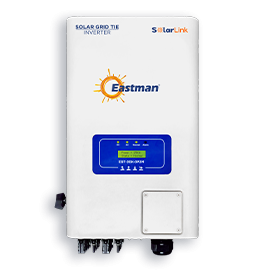
Eastman Solar | Grid-Tie Solutions
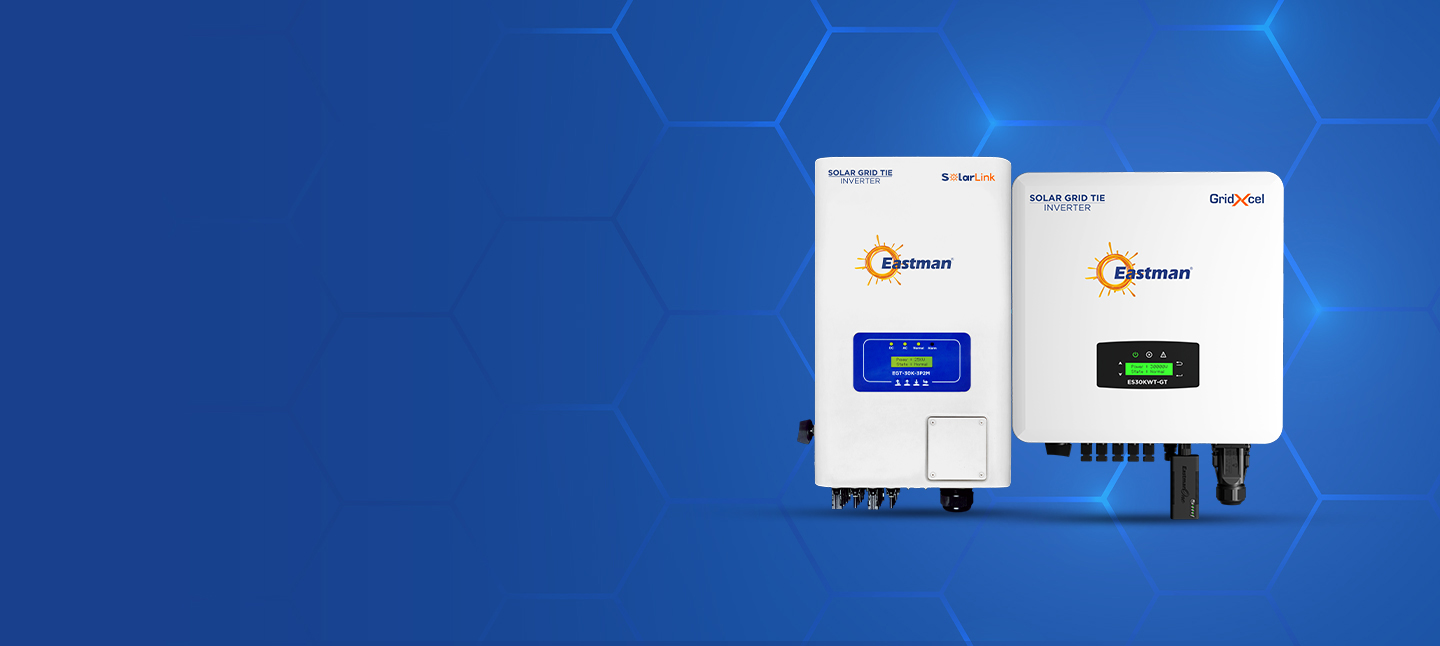
On-Grid Solar Inverter for Efficient Grid-Connected Power
An on-grid solar inverter converts the direct current generated by solar panels into alternating current that can be used by electrical appliances and synchronises with the utility grid. It allows solar systems to supply power directly to connected loads while enabling excess electricity to be exported to the grid through applicable net metering arrangements.
At Eastman Solar, we offer grid-tie inverter solutions designed for residential and commercial rooftop applications. The range includes single-phase and three-phase models with MPPT technology, high conversion efficiency, monitoring capabilities, and safety protection features.
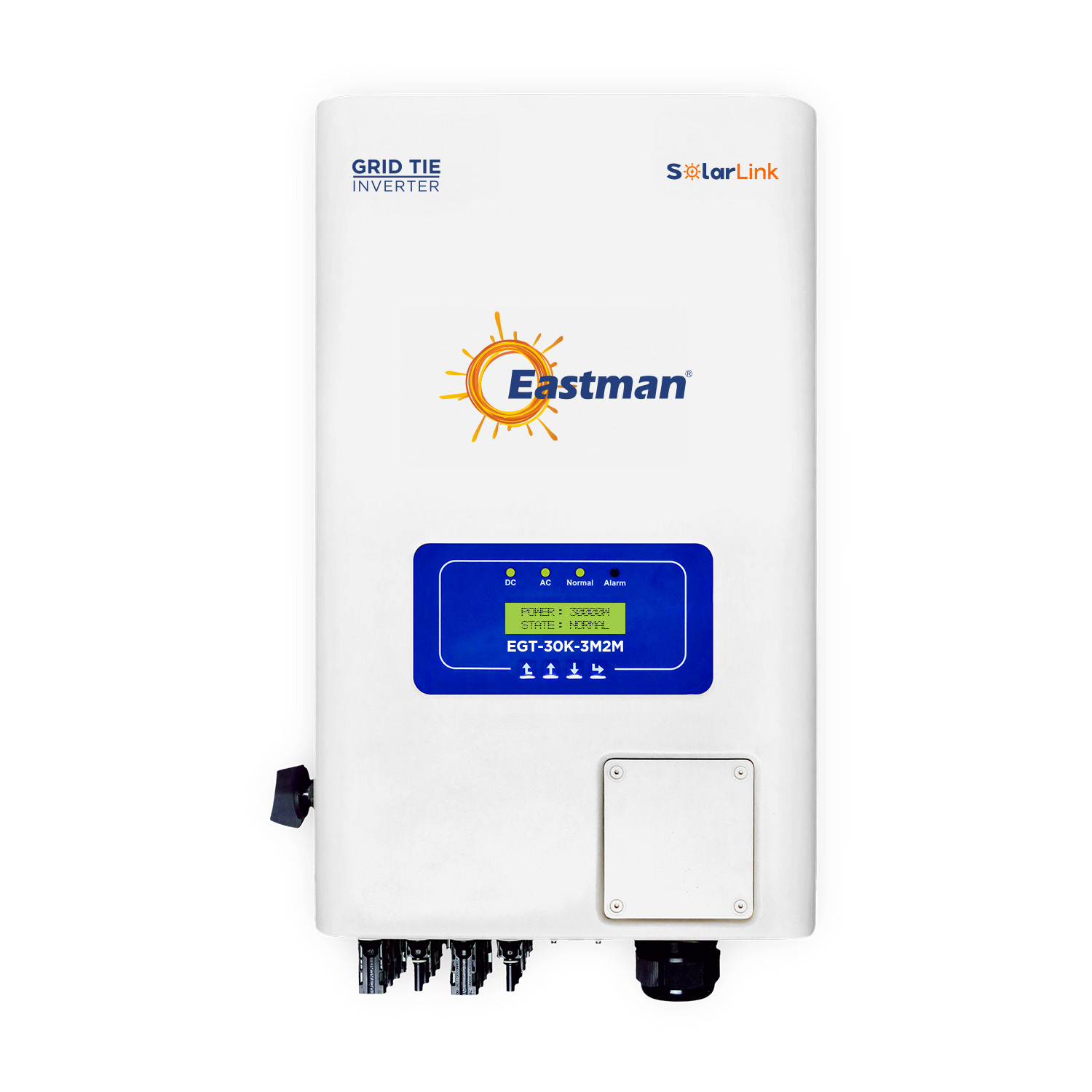
Benefits of Grid-Tie Technology
Why Choose an On-Grid Inverter for Your Solar System?
An on-grid inverter solar system can help users maximise the benefits of rooftop solar generation without requiring battery storage.
Lower Electricity Costs
Solar generation can reduce dependence on grid-supplied electricity and help lower monthly power expenses.
Efficient Energy Utilisation
The inverter converts available solar energy into usable power while maintaining synchronisation with the utility supply.
No Battery Requirement
Grid-connected systems generally operate without battery storage, making installation simpler for users with reliable grid access.
An on-grid inverter is most suitable for locations with a stable electricity connection where users want to generate solar power and reduce grid dependency.
Our Product Range
Explore Eastman On-Grid Solar Inverter Range
Eastman Solar’s grid-tie inverter range includes solutions for different rooftop solar requirements, from residential installations to larger commercial applications. Available models include single-phase and three-phase configurations designed to support different system capacities.
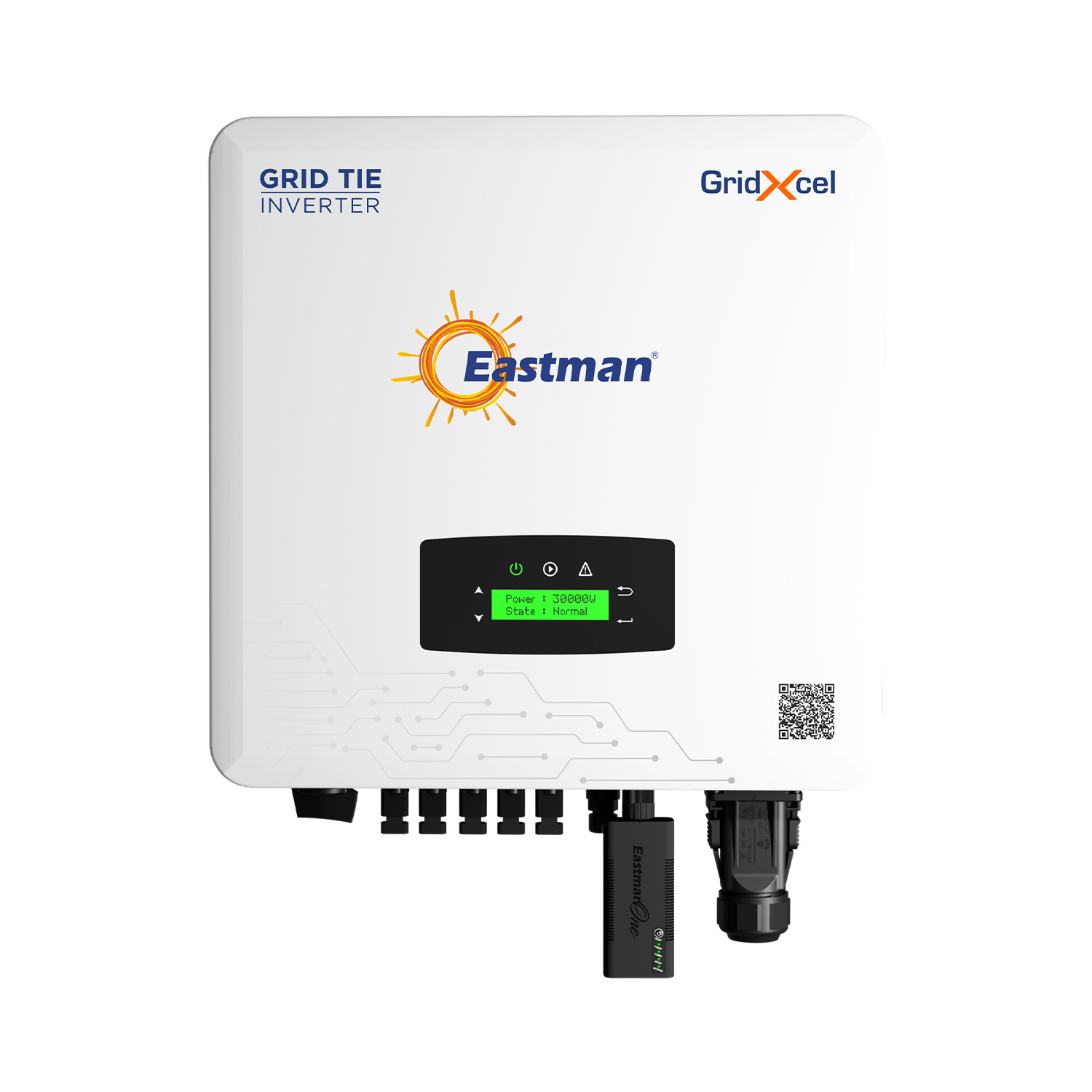
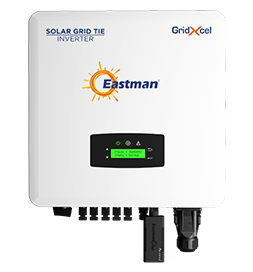
3kW–6kW
Single Phase Grid Tie Inverter
Designed for homes, small offices, and residential rooftop solar systems.
Warranty 10 years*
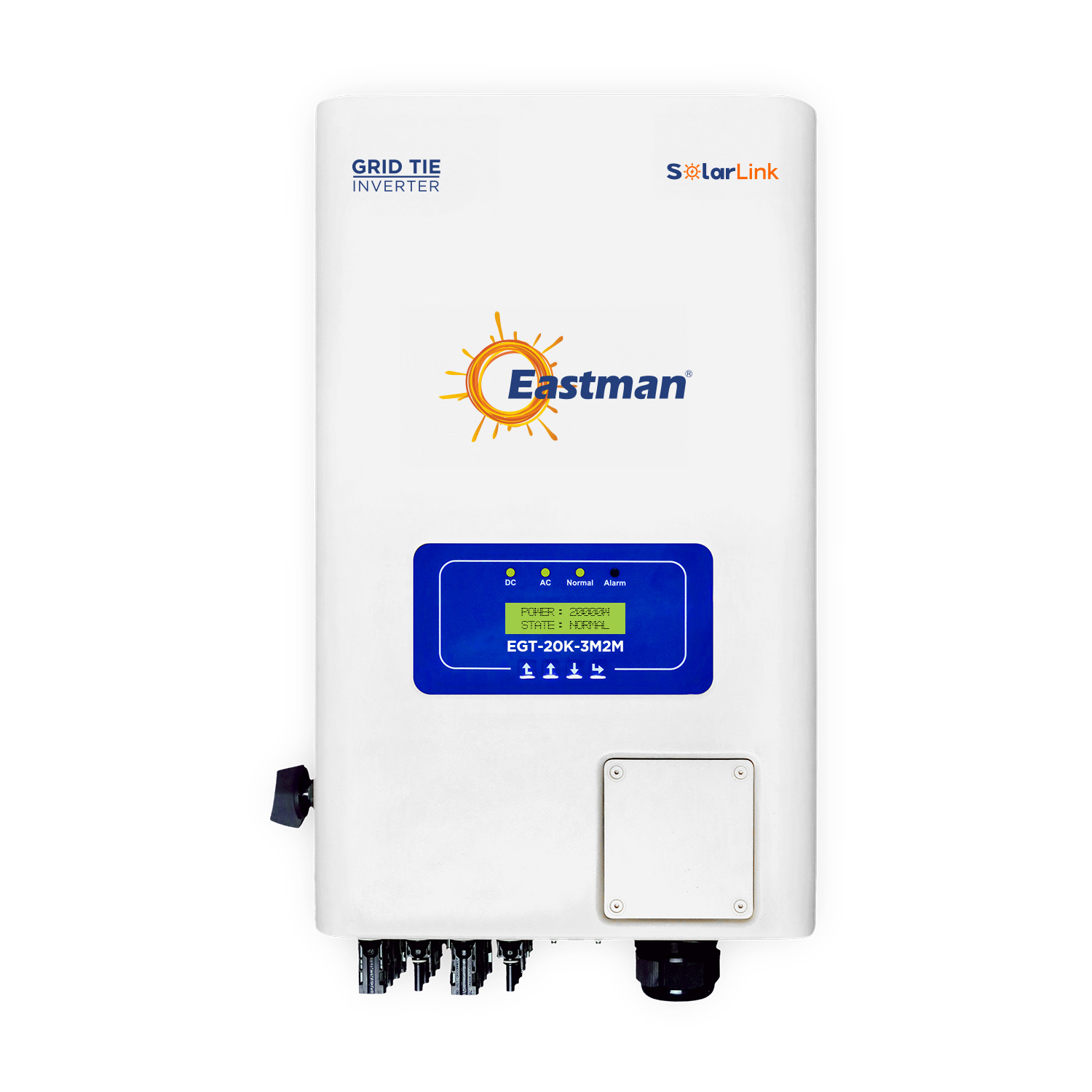
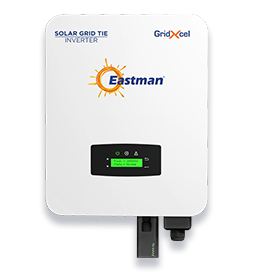
5kW–20kW
Three Phase Grid Tie Inverter
Suitable for commercial buildings and larger rooftop installations.
Warranty 10 years*
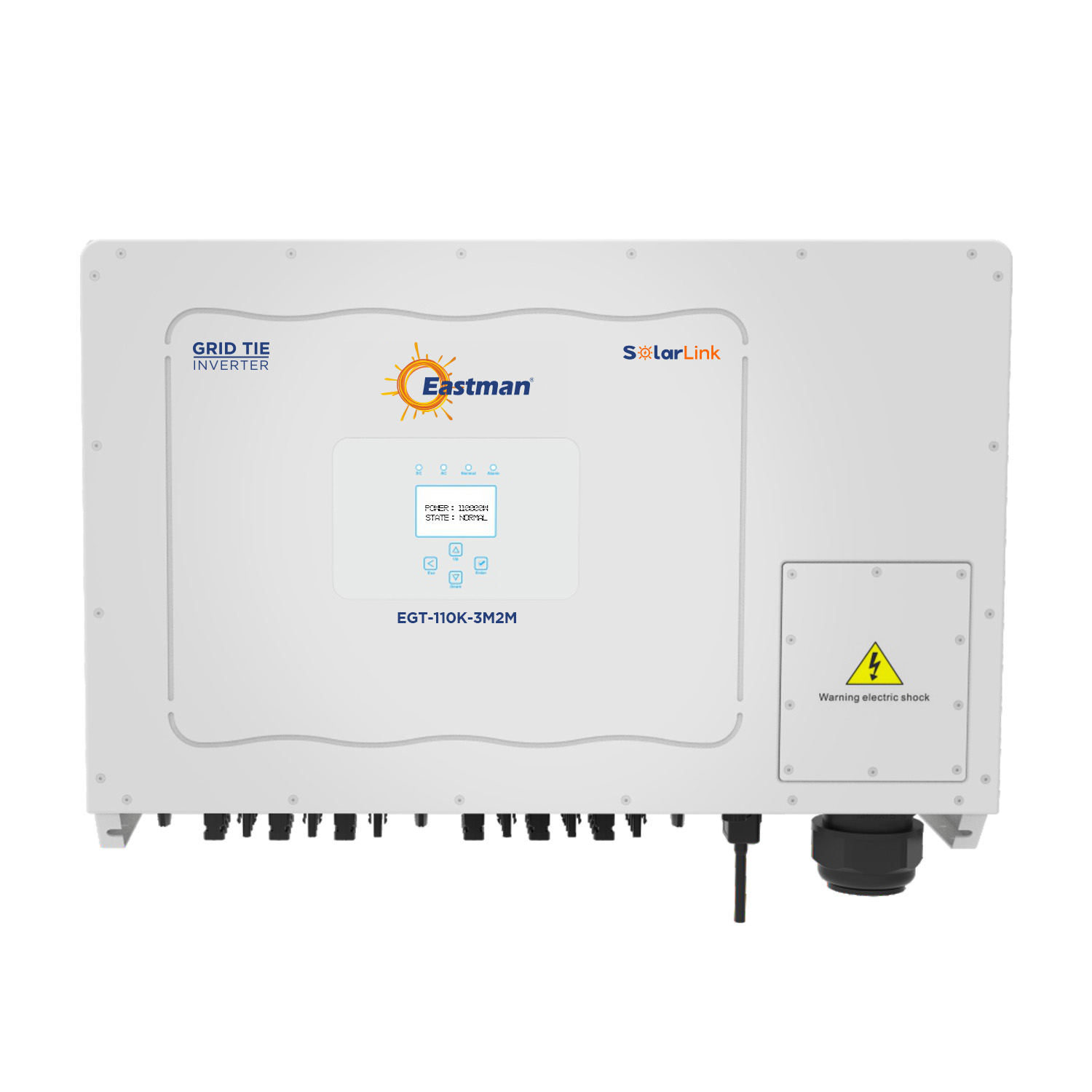
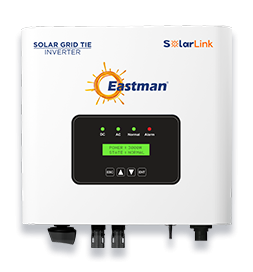
30kW–110kW
Three Phase Grid Tie Inverter
Designed for larger commercial and industrial solar projects.
Warranty 10 years*
Eastman grid-tie inverters use MPPT technology to optimise solar energy harvesting under changing sunlight conditions. The systems include protection features such as DC polarity reverse connection protection and AC output overcurrent protection to support safe operation.
Technology & Performance
Key Features of Eastman Grid Tie Inverters
Eastman Grid Tie Inverters are designed to support efficient solar power conversion, reliable grid connectivity, and convenient system monitoring.
High MPPT Efficiency
Up to 98.5%* — Advanced Maximum Power Point Tracking (MPPT) technology helps optimise solar energy extraction under changing sunlight conditions, improving overall system performance.
Grid Synchronisation Technology
Automatically matches grid voltage, frequency, and phase to enable smooth and safe transfer of solar-generated electricity to the utility grid.
Net Metering Support
Supports export of excess solar power to the grid through suitable net metering arrangements, helping users maximise solar energy utilisation.
Wide Input Voltage Range
Supports consistent operation under varying solar conditions and changing input levels throughout the day.
Advanced Safety Protection
Includes protection features such as DC polarity reverse protection, AC overcurrent protection, IP65 protection, and anti-islanding safety for reliable operation.
Compact & Easy Installation
Transformerless design makes the inverter lightweight and suitable for convenient installation across different rooftop applications.
Smart Monitoring Capability
Allows users to track solar generation, consumption, faults, and system performance through compatible monitoring solutions such as the EastmanONE App.
Long-Term Reliability
Eastman Grid Tie Inverters are supported by a warranty period of up to 10 years, subject to applicable terms and conditions.
Explore the Right Solar Inverter for Your Needs
Discover Eastman grid-tie inverter solutions for residential and commercial rooftop applications.
Enquire Now →
GOT QUESTIONS?
Frequently Asked Questions
Find answers to common questions about Eastman on-grid solar inverters, net metering, batteries, and system performance.
An on-grid inverter works with the utility grid, converting solar energy for use or export. An off-grid inverter works independently, usually needing battery storage for power.
No, it generally doesn't need batteries, using the grid as backup when solar is insufficient. Users wanting outage backup may need a battery-based or hybrid system.
Yes, it can export surplus solar electricity under applicable net metering regulations. The exact process depends on local electricity policies and utility requirements.
It typically stops supplying electricity during a grid outage for safety, preventing power from feeding into lines while utility workers restore the supply.
It may be required if users want to export excess solar electricity for credits. Requirements vary depending on location, utility provider, and government regulations.
The lifespan of an on-grid solar inverter depends on product quality, installation conditions, operating environment, and maintenance. Regular system checks and proper installation can help support reliable long-term performance.
 78728 78728