



Introduction
Solar power can transform a suitable property into a source of electricity, yet the success of a solar photovoltaic (PV) system starts long before the panels are switched on. A roof may look ideal at first glance, but factors such as sunlight, orientation, shading, roof condition, and available space can change the outcome. The installation also needs careful planning so that the system works safely and efficiently over its service life.
For anyone researching where to install solar panels, the answer is rarely based on one factor alone. The best position combines strong solar exposure with a structurally sound and practical installation area.
Let’s explore the key steps that can help you choose where to put the solar panels and plan an efficient installation.
How to Identify the Right Location for Solar Panels
The right location should provide a useful combination of sunlight, suitable orientation, structural strength, and sufficient space. It should also allow the panels and associated equipment to be installed safely and maintained when required.
A south-facing roof with unobstructed sunlight may be an excellent option, but a partially shaded roof may produce less energy than a well-positioned east- or west-facing area. This is why the answer to where to install solar panels should always be based on the individual property.
A professional assessment can compare the available surfaces and estimate expected generation before installation begins.
7 Key Steps for Installing Solar Panels
Before installation begins, each stage should be planned around the property, expected energy generation, and available sunlight. These steps can help create a practical and efficient plan for where to place solar panels.
Assess the Roof Condition
Inspect the roof’s age, condition, pitch, and available space before fitting the panels. Complete any significant repairs first and account for chimneys, skylights, vents, and other features that could affect the layout.
Identify the Best Installation Area
Assess which part of the property receives the most useful sunlight. South-facing roof areas are often favourable, while east- and west-facing surfaces can also support effective generation.
When deciding where to install solar panels, consider orientation, sunlight exposure, and available space together rather than choosing an area based on direction alone.
Check for Potential Shading
Look for trees, neighbouring buildings, chimneys and other structures that could cast shadows over the panels. Consider how shading changes throughout the day and across different seasons.
Reducing avoidable shade can help the system receive more consistent sunlight and improve its potential electricity generation.
Determine the Suitable Panel Angle
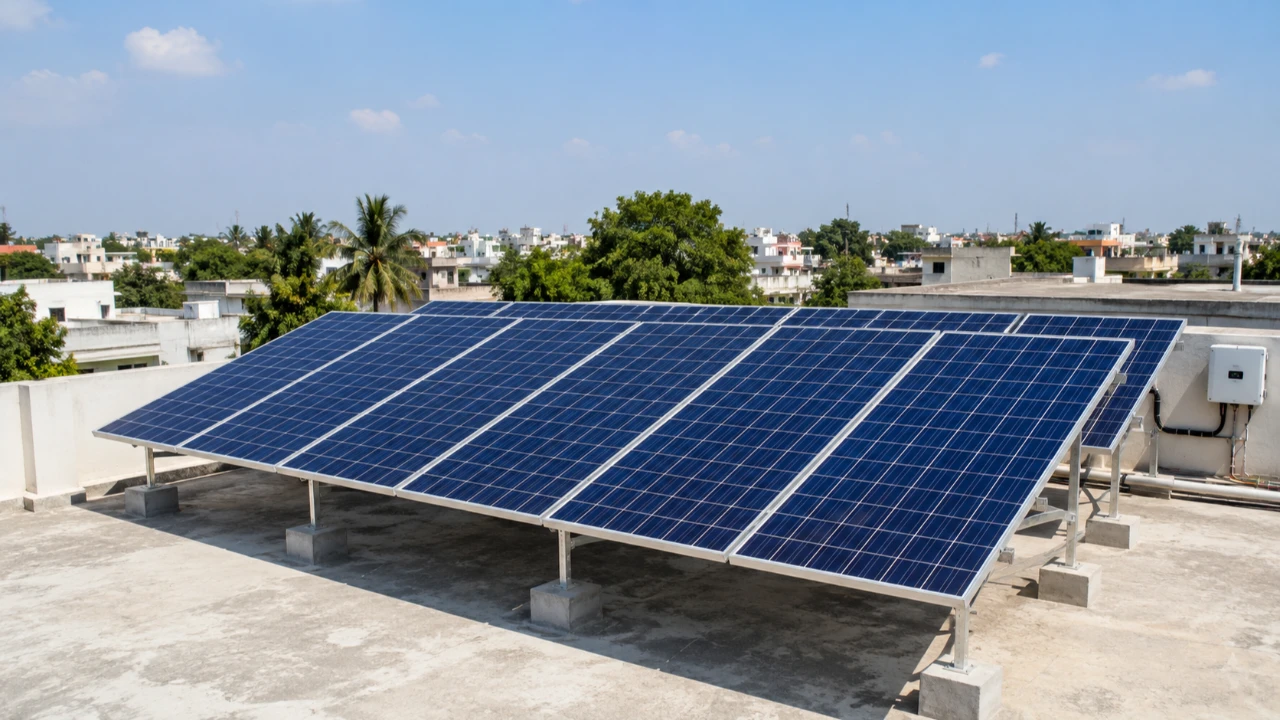
Assess the roof pitch and determine how the panels should be positioned to receive sunlight effectively. Flat roofs may require mounting structures to achieve a suitable angle.
The final arrangement should also allow appropriate spacing and account for structural and installation requirements.
Evaluate Alternative Mounting Options
A roof may not always be the most suitable location. Depending on the property, panels can be installed on a suitable wall or through a ground-mounted system.
If you are considering "where can I put solar panels", compare each available option based on sunlight, space, structural suitability, access, and relevant requirements.
Plan the Complete Solar PV System
Panel placement should work with the inverter, cabling, and other system components. Keep cable routes practical, provide suitable ventilation for the inverter, and allow access for later inspection and servicing.
This ensures the installation is planned as a complete system rather than treating panel placement as a separate decision.
Confirm Permissions and Choose a Qualified Installer
Check planning, building, and ownership requirements before installation. A qualified installer should assess the property, confirm the proposed mounting method, and ensure the system is designed and installed appropriately.
Following these steps can help you determine where to install solar panels while creating a safer and more efficient solar PV system.
3 Common Mistakes to Avoid When Installing Solar Panels
A successful solar installation begins with careful planning. Overlooking factors such as roof orientation, structural strength, and future electricity consumption can affect system performance and lead to additional costs.
Homeowners can avoid common issues by considering these factors before installation begins.
Limiting Solar Installation to South-facing Roofs
South-facing roofs are often considered favourable for solar panel installation in India, but they are not the only suitable option. East- and west-facing roofs can also support effective solar generation when the system is designed around the property's layout and sunlight availability. Dismissing solar simply because a roof does not face south could mean overlooking a potentially suitable installation opportunity.
Overlooking the Roof’s Structural Condition
Solar panels and mounting structures add weight to the roof, making a structural assessment an important part of the planning process. The roof should be checked for its condition, load-bearing capacity, and available installation area before mounting begins. Identifying structural concerns early can help prevent installation delays, unexpected modifications, and additional costs.
Failing to Account for Future Energy Needs
Household electricity consumption can increase over time. New appliances, electric vehicle charging, home offices, or changes in household size can raise future energy requirements. Factoring in potential changes during the initial planning stage can help homeowners select a system that accommodates future demand and reduces the need for major upgrades later.
Take the Next Step Towards an Efficient Solar Installation With Eastman
Choosing the right location is one of the first steps in planning an effective solar PV system. Factors such as orientation, shading, roof condition, pitch, available space, and system layout can all influence energy generation. A professional site assessment can help identify the most suitable installation area and support better system planning.
At Eastman Auto & Power Limited, expert engineers assess the property to understand its specific installation requirements rather than relying on a standard layout. They can evaluate sunlight exposure, structural suitability, and other relevant site considerations to help determine an appropriate system design.
Eastman also offers 24x7 service support with a 2-hour service response time, helping customers access timely assistance when needed.
Book a site visit with Eastman Auto & Power Limited for an expert solar assessment tailored to your requirements.
 78728 78728