



Introduction
Energy supports almost every part of modern life, from lighting homes to operating businesses and public infrastructure. However, conventional electricity generation relies heavily on finite resources that can contribute to environmental concerns. Among them, sunlight is one of the most widely available energy resources. According to the Ministry of New and Renewable Energy (MNRE), India’s installed solar capacity reached 168.04 GW by 31 August 2026. This makes it important to understand what this could mean.
So, what is solar energy, and how can sunlight support everyday energy requirements? This guide explains the concept in simple terms, including its origin, conversion methods, common applications, and key benefits. It will help beginners build a clear foundation before exploring solar technologies or planning a solar installation. Let us begin with its meaning and source.
Understanding Solar Energy
Solar energy is the light and heat produced by the sun that can be captured for practical use. In simple terms, solar energy means using sunlight to generate electricity, produce heat, or support other energy requirements.
A clear definition of solar energy is the usable energy obtained from solar radiation. Different technologies can capture this radiation for homes, businesses, industries, and public infrastructure.
Therefore, the answer to what solar energy is begins with recognising sunlight as a naturally available and renewable source of power.
How Does the Sun Produce Solar Energy?
Solar energy begins at the sun's core, where extremely high pressure and temperature cause hydrogen atoms to combine and form helium. This process, called nuclear fusion, releases a vast amount of energy.
The released energy moves from the Sun towards Earth as solar radiation. It reaches the planet in the form of visible light, heat, and other electromagnetic energy. Solar panels and thermal systems capture a small portion of this radiation for practical use.
The amount reaching a particular location changes with the time of day, season, cloud cover, geographical position, and surrounding shade. However, the Sun continues to replenish this energy naturally, making it a renewable energy source.
How is Solar Energy Converted into Usable Power?
Solar technologies convert sunlight into electricity or usable heat through different methods. The chosen method depends on the application, required energy output, and scale of the project. In this context, solar power means energy produced by capturing and converting the Sun's radiation.
1. Solar Photovoltaic Technology
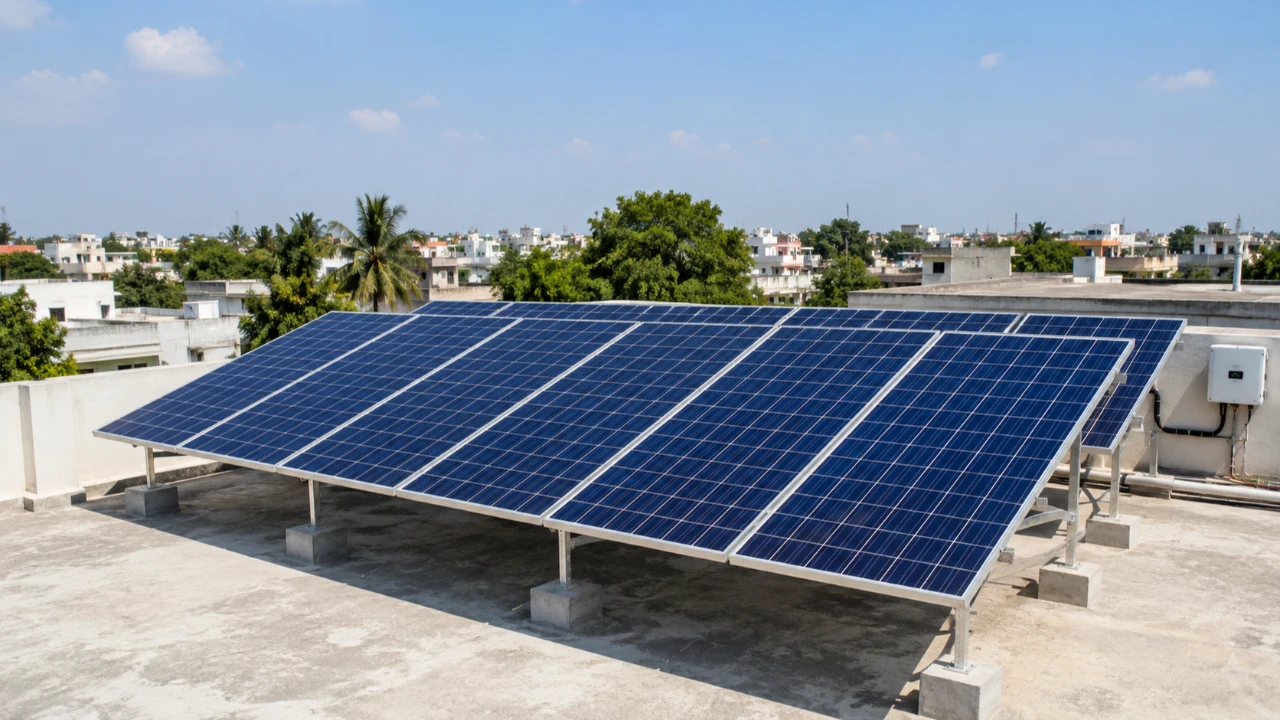
Photovoltaic cells within solar panels absorb sunlight and release electrons, producing direct current electricity. An inverter then converts it into alternating current electricity for appliances and electrical equipment. This method is widely used across residential rooftops, commercial buildings, and utility-scale solar projects.
2. Solar Thermal Technology
Solar thermal systems capture the Sun's heat instead of directly generating electricity. Collectors transfer the absorbed heat to water or another fluid for domestic hot water, space heating, or selected industrial processes. This approach makes direct use of heat without first converting it into electricity.
3. Concentrated Solar Power
Concentrated solar power systems use mirrors to focus sunlight onto a receiver. The concentrated heat warms a fluid, which produces steam to operate a turbine and generate electricity. These systems are mainly used in large-scale power plants with strong direct sunlight.
These conversion methods explain what solar energy is in practical terms and show how sunlight can support different energy requirements.
Where is Solar Energy Used?
Solar energy can support requirements ranging from a single household appliance to large-scale electricity generation. Its applications vary according to the technology, available sunlight, system capacity, and local energy needs.
1. Homes and Residential Buildings
Rooftop solar systems can supply electricity for lighting, fans, appliances, and other household loads. Solar water heaters, outdoor lights, and battery-backed systems are also used in residential settings.
2. Commercial Properties
Offices, hotels, hospitals, schools, retail stores, and warehouses can use solar electricity during operating hours. Large rooftops and daytime electricity demand make many commercial buildings suitable for solar installations.
3. Agriculture and Rural Areas
Solar-powered pumps can support irrigation, while solar dryers help preserve agricultural produce. Standalone systems can also provide lighting and electricity in locations with limited grid access.
4. Industrial Facilities
Factories can use solar power to support machinery, lighting, ventilation, and other daytime operations. Solar thermal systems may also supply heat for selected industrial processes.
5. Public Infrastructure
Solar energy can power streetlights, traffic signals, railway facilities, water systems, and telecommunications equipment. It can support essential services in both urban and remote areas.
6. Utility-Scale Power Generation
Large solar parks generate electricity for supply through the utility grid. These applications demonstrate what solar energy is used for across residential, commercial, agricultural, industrial, and public settings.
What are the Key Benefits of Solar Energy?
Solar energy can support homes, businesses, industries, and public facilities in different ways. Its value extends beyond electricity generation and contributes to broader environmental and energy goals.
1. Uses a Renewable Energy Source
Sunlight is naturally replenished and widely available. Capturing it allows electricity and heat to be produced without consuming a finite fuel source.
2. Reduces Dependence on Grid Electricity
A solar system can supply part of a property's daytime electricity requirements. This can reduce the amount of power drawn from the utility grid.
3. Supports Lower Electricity Expenses
Generating electricity at the point of use can reduce grid consumption and related energy costs. The potential savings depend on system capacity, generation, and consumption patterns.
4. Produces Electricity Without Direct Operational Emissions
Solar panels generate electricity without burning fuel during operation. This can help reduce the environmental impact associated with electricity produced from conventional sources.
5. Works Across Different Scales
Solar technology can power a small light, a residential property, a commercial building, or a utility-scale project. Systems can be designed according to available space and energy requirements.
Take the Next Step Towards Solar Energy
Knowing what solar energy is, how it originates, and how different technologies use it creates a strong foundation for exploring solar power. Sunlight can be converted into electricity or heat for residential, commercial, agricultural, industrial, and public applications. Its renewable nature, broad usability, and ability to reduce grid dependence make it a practical energy source.
At Eastman Auto & Power Limited, we offer solar panels, inverters, batteries, and complete solar solutions for varied energy requirements. Explore Eastman's solar range and seek professional guidance to identify a suitable system based on your electricity usage, available installation space, and backup needs.
 78728 78728