



Introduction
Solar power can help properties generate electricity while remaining connected to the local power grid. However, choosing a suitable system requires an understanding of how solar panels, inverters, and grid connections work together. The right setup can vary based on electricity consumption, roof space, sunlight, and local regulations.
Let's explore what an on-grid solar system is, how it works, its key benefits, applicable subsidies, and the factors that can help determine its suitability for your property.
Understanding an On-grid Solar System
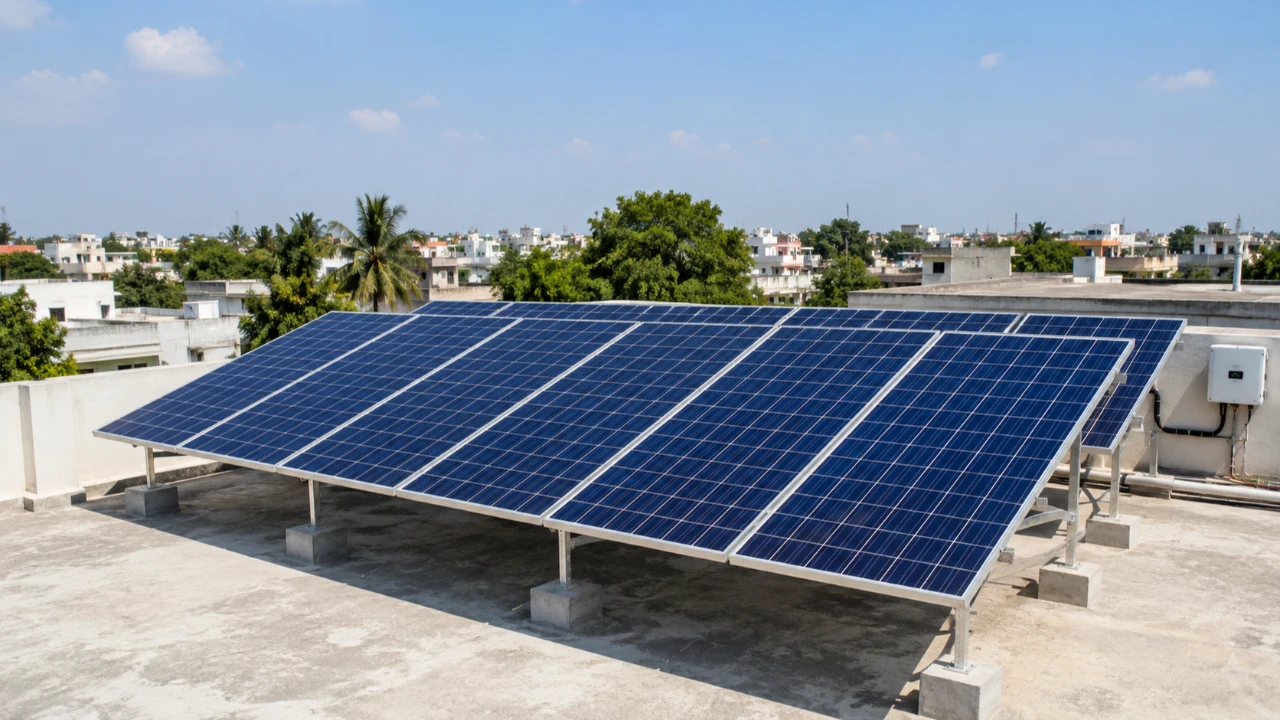
An on-grid solar system system, also known as a grid-connected solar system, is a rooftop solar setup that remains connected to the local electricity grid. solar panel generate Direct Current (DC) electricity from sunlight, which an inverter converts into Alternating Current (AC) electricity for use by household or commercial appliances.
If solar generation is higher than the property's immediate electricity requirement, surplus power may be exported to the grid through an approved net metering arrangement. During periods of lower solar generation, the property can draw electricity from the grid.
This arrangement allows a property to generate solar electricity without requiring a battery as part of the standard system.
How Does an On-grid Solar System Work?
The system involves three main stages that work together.
Solar Panels Generate Electricity
Solar panels absorb sunlight and convert it into DC electricity. The amount generated depends on factors such as sunlight exposure, panel orientation, shading, and system capacity.
The Inverter Converts the Power
The inverter converts DC electricity into AC electricity that can be used by appliances. Grid-connected inverters also synchronise the solar output with the electricity grid.
Eastman's on-grid solar solutions include grid-tie inverters designed for residential and commercial applications. The systems incorporate Maximum Power Point Tracking (MPPT) technology to help optimise energy generation under varying sunlight conditions.
Excess Electricity Goes to the Grid
If the panels generate more electricity than the property consumes at a given time, the surplus can be sent to the grid where permitted. A bidirectional meter records electricity imported from and exported to the grid, helping determine the applicable billing arrangement.
3 Key Benefits of On-grid Solar System
An on-grid setup can be suitable for properties with regular grid access and sufficient sunlight.
Can Reduce Grid Electricity Consumption
Solar generation can meet part of a property's electricity requirement during daylight hours. This can reduce the amount of electricity purchased from the utility, with actual savings depending on consumption, system size, generation and applicable tariffs.
Does Not Normally Require Battery Storage
A standard on-grid system does not need a battery to operate. This means property owners can avoid the additional equipment and maintenance associated with battery storage.
Allows Surplus Power Export
Where net metering is available, excess solar electricity can be exported to the grid. The applicable credit or adjustment depends on the rules set by the relevant state and electricity distribution company.
What Subsidies are Available for On-grid Solar System?
The PM Surya Ghar: Muft Bijli Yojana provides Central Financial Assistance to eligible residential consumers installing rooftop solar systems.
Under the current central subsidy structure, eligible households can receive:
- ₹30,000 per kW for the first 2 kW
- ₹18,000 per kW for the additional 1 kW
- Maximum central subsidy of ₹78,000 for systems of 3 kW or higher
The scheme is aimed at supporting rooftop solar adoption among households.
Some states also offer additional incentives. For example, Delhi provides a state capital subsidy of ₹10,000 per kW for residential households, capped at ₹30,000 for a 3 kW system, subject to the applicable policy conditions.
Since state incentives and eligibility requirements can change, property owners should check the latest government and DISCOM guidelines before calculating the installation cost.
Is On-grid Solar System Suitable for Your Property?
An on-grid solar system may suit your property if you have:
- A reliable grid connection
- Adequate roof or installation space
- Good sunlight exposure
- Regular daytime electricity consumption
- Access to an applicable net metering arrangement
Before installation, assess your average electricity consumption and available roof area. Shading, roof orientation, sanctioned load, and local Distribution Company (DISCOM) requirements should also be considered.
The system capacity should match your electricity requirements rather than being selected solely on available roof space. It is also important to compare inverter specifications, warranties, installation support, and applicable subsidy requirements before making a decision.
For properties where grid outages are frequent or uninterrupted electricity is essential, a battery-supported hybrid system may be more appropriate.
Make a Practical Choice for Your Solar Setup
Choosing an on-grid solar system starts with looking at how your property consumes electricity and how well solar generation can fit into that pattern. Consider your roof condition, sunlight exposure, daytime power requirements, and local grid provisions before deciding on the system capacity. Checking the available central and state subsidies can also help you understand the overall installation cost.
At Eastman Auto & Power Limited, we provide solar solutions for residential and commercial applications, helping property owners explore systems suited to their energy requirements. Take time to assess your property's needs, compare relevant equipment specifications, and check local DISCOM guidelines before proceeding with installation.
A well-planned solar setup can make rooftop space more productive while supporting your property's regular electricity requirements.
 78728 78728