


Introduction
Rooftop solar is becoming a practical choice for Indian households looking to manage electricity costs and use more of their own clean energy. Government support can also reduce the initial amount homeowners need to spend on a residential solar system. However, the subsidy is linked to certain conditions, so it helps to understand them before installation begins.
In 2026, checking solar subsidy eligibility early can help homeowners choose the right system, follow the correct application route, and avoid problems during verification. The PM Surya Ghar: Muft Bijli Yojana continues to provide Central Financial Assistance for eligible residential rooftop solar installations.
Let us look at who can get a solar subsidy, subsidy amounts, and checks homeowners should know before applying.
How Does the Solar Subsidy Work for Homeowners in 2026?
Solar subsidy eligibility refers to the conditions a residential electricity consumer must meet to receive Central Financial Assistance for rooftop solar. Under PM Surya Ghar, the benefit is available to residential consumers with a grid-connected electricity connection from their local distribution company, or DISCOM.
The support is intended for residential consumers rather than commercial or industrial installations. This makes the category of the electricity connection one of the first details a homeowner should check.
Solar Subsidy Eligibility Criteria Homeowners Should Check
Before finalising the capacity or equipment for a rooftop system, homeowners should review the main conditions that apply under the scheme.
1. Keep a Residential Electricity Connection
The applicant should be linked to a residential electricity connection provided by the local DISCOM. Consumer details entered during registration should correspond with the connection for which the rooftop solar system is being installed.
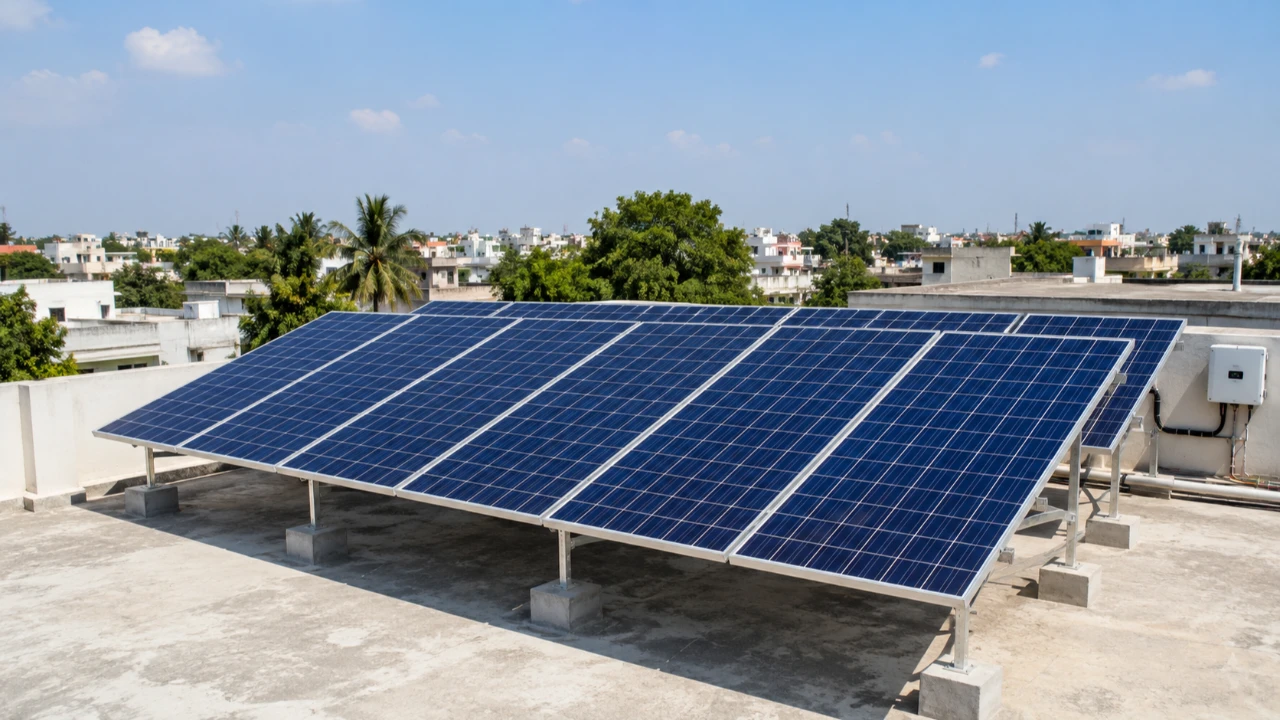
Official guidance states that a consumer tagged to a residential power connection can install the system on a roof, terrace, balcony, or elevated structure, subject to applicable requirements.
2. Choose a Grid-Connected or Hybrid Solar System
Solar subsidy eligibility under PM Surya Ghar applies to grid-connected rooftop solar systems and hybrid systems. These systems operate alongside the electricity connection supplied by the DISCOM and follow the applicable metering arrangement.
A standalone off-grid installation does not follow the same Central Financial Assistance route. Homeowners should therefore decide at the planning stage if accessing the residential subsidy is important to them.
3. Apply Through the Official Route
Homeowners should register and submit their application through the PM Surya Ghar National Portal. The scheme process covers application, installation, DISCOM verification, and subsidy disbursal. The government stated in March 2026 that the process from application to Central Financial Assistance disbursal is handled online through the National Portal.
Following this process from the beginning is an important part of meeting solar subsidy eligibility requirements. Installing first and checking the subsidy route later can create avoidable complications.
4. Use Scheme-compliant Equipment
Government-supported rooftop solar projects must meet applicable technical and domestic-content requirements. Ministry of New and Renewable Energy (MNRE) also maintains approved lists for solar PV modules used in government-assisted and net-metering projects.
Homeowners should check the module, inverter, vendor, and other technical requirements before purchase. Selecting compliant equipment can help the installation move through inspection and verification more smoothly.
5. Complete DISCOM Verification
The subsidy is linked to successful installation and verification, so putting panels on the roof is not the final step. Homeowners must complete the applicable DISCOM process and submit the required details through the prescribed system.
Local procedures can differ, so consumers should check the latest instructions issued by their electricity distribution company.
How Much Subsidy Can Eligible Homeowners Receive?
Once solar subsidy eligibility is confirmed, homeowners can consider how system capacity affects the financial assistance available. The PM Surya Ghar National Portal currently lists the standard residential subsidy as:
- ₹30,000 per kW for capacity up to 2 kW
- ₹18,000 per kW for the additional capacity up to 3 kW
- ₹78,000 maximum subsidy for systems larger than 3 kW
A household may still choose a system above 3 kW if electricity use supports the higher capacity. However, the standard central subsidy does not increase beyond the ₹78,000 cap.
State-level support, where available, may follow separate rules. Homeowners should check their state renewable-energy authority or DISCOM for current local benefits rather than assuming that additional subsidy is available everywhere.
Eligibility for Solar Panel Subsidy: Checks Before You Apply
A few checks made before installation can make the application easier:
- Confirm that your electricity connection is under the residential category and keep the correct DISCOM consumer details ready.
- Review recent electricity bills before selecting system capacity.
- Check available roof space and sunlight exposure.
- Confirm that the proposed equipment meets scheme requirements.
- Follow the National Portal process instead of relying on informal subsidy claims.
- Complete the required DISCOM inspection and verification.
- Check separately for any state-level incentive that may apply in your location.
These steps help homeowners assess solar subsidy eligibility before committing to a system and reduce the risk of discovering a basic eligibility issue later.
Plan Your Rooftop Solar Installation With the Right Information
A subsidy can reduce the upfront cost of rooftop solar, but it should not be the only factor behind the installation. Understanding solar subsidy eligibility helps homeowners check the electricity connection, system type, equipment, capacity, and application process before work begins.
It is equally important to select a system according to household electricity use, available roof space, and long-term power requirements. For projects linked to government support, choosing DCR-compliant solar panels can help meet applicable scheme conditions.
At Eastman, we offer DCR solar panel options suited to residential rooftop installations. Explore Eastman’s solar solutions and choose a setup that matches your home’s energy requirements while staying aligned with applicable subsidy and DISCOM guidelines.
 78728 78728