



Introduction
Winter can change the way a rooftop solar system produces electricity. Days may be shorter, sunlight levels can vary, and fog, dust, clouds, or seasonal shading may reduce the amount of solar energy reaching the panels. However, colder weather itself does not mean solar panels stop working.
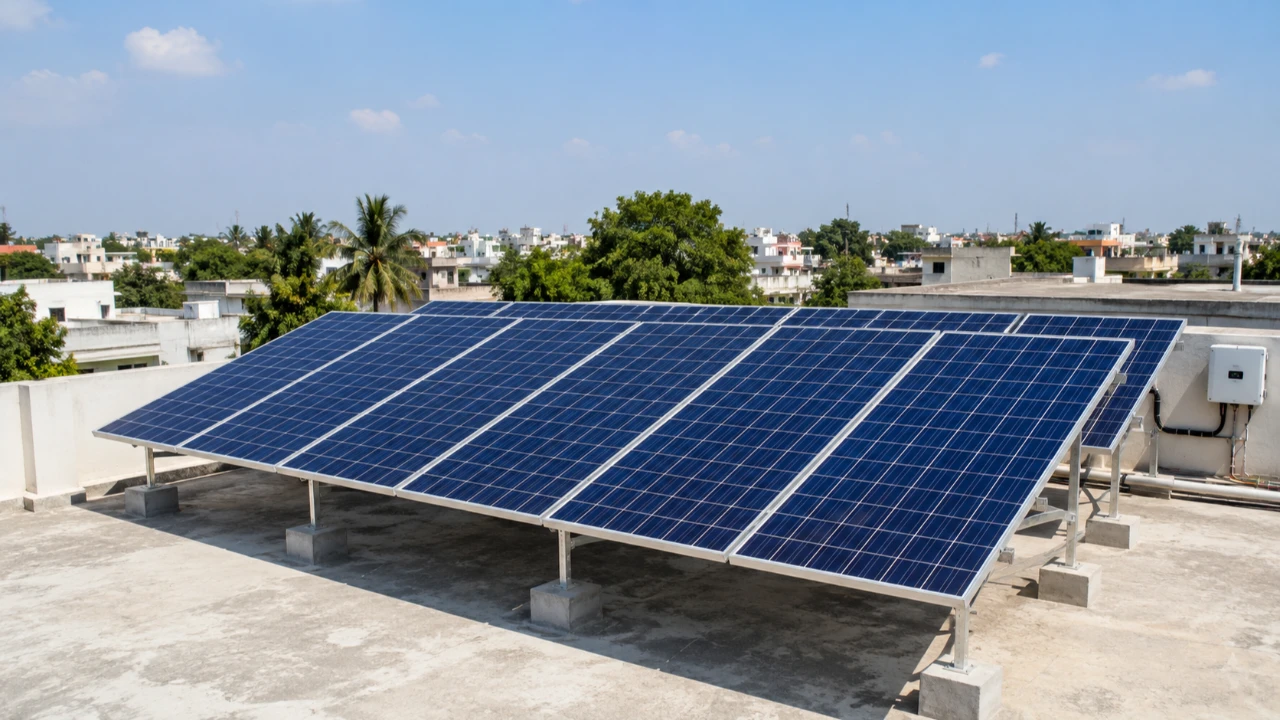
A solar panel in winter continues to generate electricity whenever sufficient sunlight reaches its photovoltaic cells. In fact, photovoltaic modules can operate efficiently at lower temperatures because excessive heat can reduce their voltage and performance. What matters during winter is keeping the system clear, unobstructed, and operating as intended.
Let us look at practical maintenance steps that can help homeowners support better winter energy production.
Does a Solar Panel in Winter Produce Less Electricity?
Solar panels generate electricity from sunlight rather than from the sun's heat. This means colder temperatures do not automatically reduce their ability to convert sunlight into electricity.
However, total solar energy in winter can still vary because energy production depends heavily on the sunlight actually reaching the panels. Season, clouds, haze, dust, shadows, rain, and snow can all influence solar generation.
In many locations, shorter daylight hours and seasonal changes in the sun's position can therefore affect daily output even when the panels themselves are working efficiently.
How Does Winter Affect Solar Panel Performance?
The efficiency of solar panels in winter should not be confused with total daily electricity generation.
A panel may operate efficiently in cool temperatures but still produce less electricity over an entire day if there are fewer hours of strong sunlight. Winter performance can be influenced by:
- Shorter periods of daylight
- Cloudy or foggy conditions
- Dust and other deposits on panel surfaces
- Trees or nearby structures creating seasonal shade
- Rain, frost, or snow in certain locations
- Changes in household electricity consumption
This is why monitoring the complete system is important. A fall in generation may reflect available sunlight rather than a fault with the solar panels.
Maintenance Tips for Better Solar Panel Performance in Winter
A few practical checks can help keep a solar panel in winter operating effectively throughout the season.
1. Keep the Panel Surface Clean
Solar panels perform best when sunlight can reach their surface without unnecessary obstruction. Dust, leaves, bird droppings, and other deposits can block part of the incoming light and affect electricity production.
Winter may bring additional dust or dry debris in some parts of India. In other regions, fog and moisture can cause dirt to remain on the surface.
Check panels periodically and follow the manufacturer's recommended cleaning procedure. If the rooftop is difficult or unsafe to access, use a trained solar maintenance professional rather than attempting to clean the panels yourself.
2. Check for New Areas of Shade
The position and angle of the sun change through the year. A roof that receives clear sunlight during summer may experience additional shade during winter.
Trees, water tanks, neighbouring buildings, antennas, and other rooftop structures can cast longer shadows when the sun is lower in the sky.
Observe your solar panel in winter at different times of the day. If you notice significant new shading, ask a solar professional to assess whether it is affecting system performance. Avoid changing the panel position or removing nearby structures without understanding the wider installation requirements.
3. Monitor Your Energy Generation
One of the easiest ways to recognise a change in performance is to monitor how much electricity your solar system produces.
Many modern inverters and monitoring systems provide information about daily generation. Instead of judging performance from one cloudy day, compare output over several similar days and consider the weather conditions at the time.
If generation falls sharply without an obvious change in sunlight or weather, there may be a reason to have the system inspected.
Regular monitoring makes it easier to understand how solar panels in winter months are performing and identify unusual changes before they continue for a long period.
4. Inspect Panels, Mounting Structures, and Connections
Winter maintenance should extend beyond the visible panel surface.
Wind, rain, temperature changes, and general outdoor exposure can affect different parts of a rooftop installation over time. Panels, mounting structures, accessible cables, and other system components should therefore be visually checked for obvious signs of damage or movement.
Do not open electrical components or attempt to repair wiring yourself. If you notice loose components, damaged cables, unusual inverter warnings, or physical damage to a module, contact a qualified technician.
Professional inspection can help ensure that the solar panel in winter remains securely installed and that the wider system continues to work safely.
5. Pay Attention to the Inverter
The inverter is an important part of the solar system because it converts the direct current produced by solar panels into usable alternating current.
Check the inverter display or monitoring application periodically for warnings, error messages, or unexpected changes in generation.
A reduction in solar output should not automatically be blamed on winter conditions. If sunlight is adequate but the system is producing substantially less power than expected, the inverter or another system component may require professional assessment.
6. Keep Surrounding Areas Clear
Leaves, branches, debris, or objects stored around the rooftop array can interfere with sunlight or create unnecessary obstruction.
Before and during winter, check the area around the panels and remove loose debris where it is safe to do so. Trees that create significant shade may also need professional assessment.
Keeping the surroundings clear allows your solar panel in winter to receive as much available sunlight as possible throughout the day.
7. Review Household Energy Use
Winter can also change how households consume electricity. Water heating, room heating, lighting, and other appliances may be used differently as temperatures and daylight hours change.
If the solar system appears unable to meet the same proportion of household demand as it did during another season, higher consumption may be part of the reason.
Comparing electricity use with solar generation gives homeowners a clearer picture of how the entire solar system in winter is performing rather than looking at panel generation in isolation.
Keep Your Solar System Ready for Every Season
Getting reliable performance from a solar panel in winter is largely about making the most of the sunlight available. Colder weather does not prevent photovoltaic panels from generating electricity, but shorter days, clouds, dust, shading, and other seasonal conditions can influence overall production.
Regular cleaning, generation monitoring, shade checks, and timely professional inspections can help your rooftop system continue operating effectively through changing weather conditions.
Eastman provides solar solutions designed to support residential energy needs across different seasons. Explore Eastman's solar range and choose a properly planned system that helps you make better use of available sunlight throughout the year.
 78728 78728