



Introduction
Solar energy is becoming a practical choice for homes and businesses looking to generate electricity from a renewable source. However, technical terms and multiple system options can make the subject seem confusing for first-time users. Learning how solar power works can make it easier to assess its role in meeting everyday electricity needs. It also creates a useful foundation for making informed decisions later.
This guide explains the basics of solar in clear and simple language. It explores how sunlight is converted into electricity, the key components within a solar setup, and the main system types available. It also covers important factors to review before planning an installation.
Let us begin with how solar energy works.
How Does Solar Energy Work?
Solar energy systems convert sunlight into electricity that can power appliances, lighting, and other electrical loads. The basics of solar power can be explained through five simple stages:
1. Sunlight Reaches the Solar Cells
Solar panels contain photovoltaic cells that absorb energy from sunlight. These cells respond to light particles called photons.
2. Direct Current Electricity Is Generated
The absorbed energy causes electrons within the cells to move. This movement produces direct current, commonly called DC electricity.
3. The Inverter Converts the Electricity
Most household appliances operate on alternating current, or AC electricity. A solar inverter converts the generated DC electricity into usable AC electricity.
4. Electricity Powers Connected Loads
The converted electricity flows through the property’s electrical system. It supplies available appliances and equipment according to their immediate energy requirements.
5. Surplus Electricity Is Managed
Depending on the system type, excess electricity may enter the utility grid or charge a battery for later use. These basics of solar explain the journey from sunlight to usable electricity.
What Are the Main Components of a Solar Power System?
A solar power system combines several components to generate, convert, distribute, and manage electricity. Each part performs a specific function, although the exact setup varies according to the system type. Learning about these components is an important part of the basics of solar energy.
1. Solar Panels
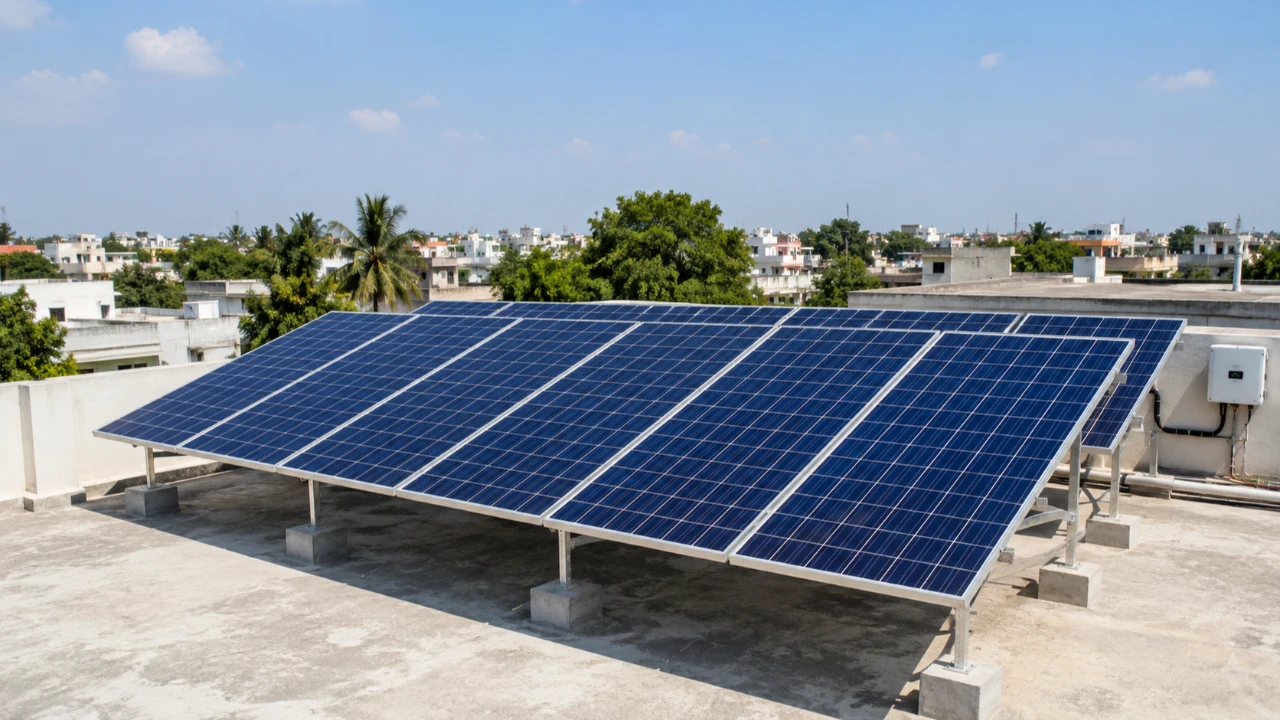
Solar panels contain photovoltaic cells that capture sunlight and produce DC electricity. Their number and capacity depend on the property’s electricity requirements and available installation space.
2. Solar Inverter
The inverter converts DC electricity from the panels into AC electricity for appliances. Some models also monitor energy generation and identify system faults.
3. Mounting Structure
A mounting structure secures the panels to the rooftop or ground. It supports the correct orientation and tilt while protecting the array against wind and other environmental conditions.
4. Solar Battery
A battery stores surplus electricity for use after sunset or during power cuts. It is generally included in off-grid and hybrid systems but is not essential for every on-grid setup.
5. Charge Controller
A charge controller regulates the electricity flowing from the panels to the battery. It helps prevent overcharging, excessive discharge, and possible battery damage.
6. Distribution and Safety Equipment
Cables, connectors, switches, earthing, and protective devices safely carry electricity across the system. Suitable equipment ratings are essential for reliable operation.
7. Metering Equipment
Grid-connected systems may use a bidirectional meter to record imported and exported electricity. These components complete the basics of solar system design.
What Types of Solar Systems Are Available?
Solar power systems are classified according to their connection with the utility grid and their use of battery storage. The three main options are on-grid, off-grid, and hybrid systems. Comparing them is an essential part of learning the basics of solar.
| System Type | How It Works |
|---|---|
| On-Grid Solar System | Works with the utility grid. Solar electricity powers connected loads, while surplus energy may be exported through net metering, subject to local regulations. |
| Off-Grid Solar System | Operates independently from the utility grid. Batteries store excess solar electricity for use at night or during periods of low generation. |
| Hybrid Solar System | Combines grid connectivity with battery storage. It can use solar power, stored energy, or grid electricity according to availability and system settings. |
What Should You Consider Before Installing a Solar System?
Knowing the basics of solar is helpful, but an installation must also reflect the property’s energy needs, physical conditions, and local requirements. Review the following factors before selecting a system:
1. Electricity Consumption
Check recent electricity bills to estimate average monthly consumption. This information helps determine the system capacity required to support the property’s regular energy demand.
2. Available Installation Space
Assess how much shadow-free rooftop or ground space is available. Nearby buildings, trees, water tanks, and other obstacles can reduce the sunlight reaching the panels.
3. Roof Condition and Orientation
The roof should be structurally suitable for supporting the panels and mounting equipment. Its direction, slope, and exposure to sunlight can influence energy generation.
4. System Capacity
System size should match electricity consumption, available space, and the intended level of grid dependence. An oversized or undersized system may deliver unsuitable results.
5. Budget and Long-Term Costs
Consider the cost of panels, inverters, batteries, mounting structures, installation, and maintenance. Battery replacement and equipment warranties should also form part of the financial assessment.
Reviewing these points connects the basics of solar with the practical decisions required before installation. A professional site assessment can confirm roof suitability, expected generation, equipment specifications, and applicable approvals.
Why Choose Eastman for Your Solar Needs?
Choosing the right solar solution can support reliable power, lower energy costs, and long-term performance. At Eastman Auto & Power Limited, we offer a complete range of solar panels, inverters, batteries, and solar solutions for residential requirements. Its key advantages include a wide product range to suit different energy needs, reliable after-sales support for installation and service requirements, and DCR-compliant solar panels for eligible residential customers.
These panels can also support applications under the PM Surya Ghar: Muft Bijli Yojana, subject to the scheme’s eligibility requirements. With suitable products and professional guidance, Eastman can help customers choose a solar solution based on their energy consumption, available space, and backup requirements.
 78728 78728