



Introduction
What makes one renewable energy source a better long-term investment than another? The answer often comes down to practical considerations rather than technology alone. Electricity consumption, available space, maintenance expectations, and local conditions all influence how well a renewable energy system performs over time.
A closer look at solar and wind energy shows that both offer cleaner alternatives to conventional power generation, but they are designed for different situations. Looking beyond general advantages helps property owners make decisions that align with their energy needs today and years from now. Let's examine the key considerations.
What are Solar and Wind Energy?
Before comparing solar and wind energy, it helps to understand how each technology generates electricity. Both are renewable energy sources that reduce dependence on fossil fuels, yet they rely on different natural resources and perform best under different conditions. This difference between solar and wind energy becomes more apparent when evaluating real-world applications.
Solar Energy
Solar energy converts sunlight into electricity using Photovoltaic (PV) panels. The electricity generated can power homes, commercial buildings, and industrial facilities, with surplus electricity supplied to the grid where regulations permit.
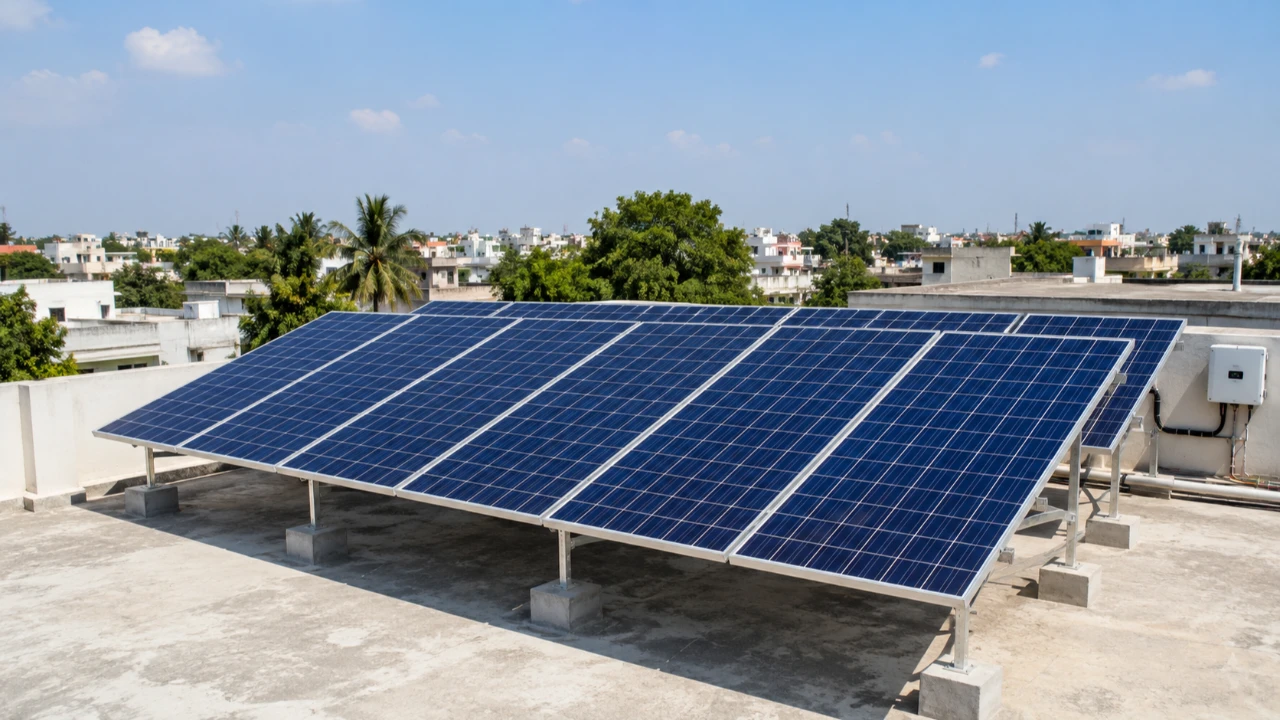
One of the biggest advantages of solar energy is its flexibility. Rooftops that would otherwise remain unused can generate electricity without requiring additional land. Solar systems are available in on-grid, off-grid, and hybrid configurations, allowing users to select a setup based on electricity consumption and backup requirements.
Wind Energy
Wind energy generates electricity through turbines that convert the movement of wind into mechanical energy before producing electrical power. Large wind farms contribute significantly to utility-scale electricity generation, while smaller installations are generally suited to locations with favourable wind conditions.
The difference between solar energy and wind energy often begins with location. Rooftop solar can be installed in a wide range of residential and commercial settings. Wind turbines require consistent wind speeds, open surroundings, and minimal obstructions to perform efficiently. These site requirements make solar energy and wind energy suitable for different types of projects.
How do Solar and Wind Energy Compare in Savings and Space?
The difference between solar and wind energy becomes more noticeable when comparing installation requirements and long-term savings.
| Factor | Solar Energy | Wind Energy |
|---|---|---|
| Potential Savings | Produces electricity during daylight hours with relatively predictable output, making long-term electricity savings easier to estimate. | Savings depend on consistent wind availability. Areas with favourable wind conditions can generate significant savings, while locations with variable wind speeds may experience less predictable results. |
| Power Generation | Generates electricity whenever sufficient sunlight is available, providing reliable daytime energy production across most regions. | Electricity generation varies with wind speed and local weather conditions, making output more dependent on the installation site. |
| Space Requirements | Uses existing rooftop space, making it suitable for homes, apartments, offices, schools, and commercial buildings without requiring additional land. | Requires large open spaces with minimal obstructions for efficient operation, making it more suitable for utility-scale projects and spacious properties. |
| Suitable Applications | Residential rooftops, commercial buildings, educational institutions, and urban properties with adequate roof space. | Wind farms, industrial facilities, rural properties, and locations with strong, consistent wind resources. |
How do Solar and Wind Energy Compare in Efficiency?
Efficiency depends on how effectively each technology converts available natural resources into usable electricity under local conditions.
Solar Energy Efficiency
Solar systems have become increasingly efficient through improvements in panel technology and inverter performance. Features such as low startup voltage allow electricity generation to begin earlier in the morning and continue later into the evening, increasing daily energy production. Higher DC input voltage also supports more efficient system design by accommodating additional panels within the same installation.
Wind Energy Efficiency
Wind turbines can achieve high electricity output when wind speeds remain within their ideal operating range. However, electricity generation falls when wind conditions fluctuate, making annual output more dependent on location than equipment alone.
The difference between solar energy and wind energy is influenced as much by geography as by technology. A well-planned solar installation can deliver dependable performance across a wide range of locations, while wind energy performs best where natural wind resources remain consistently strong.
Which Renewable Energy Source Requires Less Maintenance?
Long-term maintenance has a direct impact on ownership costs and system reliability. Looking beyond installation costs can provide a clearer picture of how much time and effort a renewable energy system may require over its lifetime.
- Prioritise Systems with Lower Routine Maintenance
Solar systems contain relatively few moving parts, reducing routine maintenance requirements. Periodic panel cleaning and scheduled inspections are generally sufficient to maintain performance.
Many modern systems also support remote monitoring through dedicated mobile applications, allowing users to track electricity generation, receive alerts, and identify faults without manual inspection. - Consider Long-term Servicing Requirements
Wind turbines require more frequent servicing because their rotating mechanical components experience continuous wear. Regular inspections, lubrication, and maintenance are essential to maintain efficiency and minimise downtime. - Look Beyond Maintenance Costs
Long-term product support is another important consideration. Reliable renewable energy systems benefit from strong equipment warranties, responsive service support, and readily available technical assistance throughout their operating life. These factors can influence the ownership experience just as much as electricity generation.
Build a Renewable Energy System That Delivers Long-term Value
The comparison between solar and wind energy goes beyond electricity generation. Installation space, local weather, maintenance needs, and future energy demand all influence long-term performance. Evaluating these factors together helps identify the most suitable renewable energy solution.
For rooftop solar, it is worth considering providers that offer complete solar solutions instead of individual components. Eastman offers a one-stop solar solution with a 30-year warranty on solar panels. We also provide a 10-year warranty on grid-tie inverters, 24x7 service support, and a 2-hour service response commitment.
Eligible homeowners installing an on-grid rooftop solar system may also benefit from the PM Surya Ghar Yojana. Together, these factors can strengthen the long-term value of a rooftop solar investment.
Frequently Asked Questions
1. Is solar energy more efficient than wind energy?
Neither source is universally more efficient. Wind turbines may generate more electricity under consistently windy conditions, while solar panels perform reliably in sunny locations. Their practical efficiency depends on local resources, system design, available space, and installation scale.
2. Which requires less maintenance, solar or wind energy?
Solar systems generally require less maintenance because panels have no moving parts. Wind turbines contain rotating blades, gearboxes, and mechanical components that need more frequent inspection and servicing. Solar panels mainly require cleaning and periodic electrical checks.
3. Which is more suitable for homes, solar or wind energy?
Solar energy is usually more suitable for homes because rooftop systems are compact, quiet, and easier to install. Residential wind turbines require dependable wind speeds, greater clearance, and structural considerations that make them less practical in many neighbourhoods.
4. How much space is required for solar and wind energy systems?
A rooftop solar system generally requires around 80 to 100 square feet per kilowatt, depending on panel efficiency and layout. Wind systems need greater open clearance to access unobstructed airflow and maintain safe distances from surrounding structures.
5. Which renewable energy source is better for small properties?
Solar energy is generally better for small properties because panels can use existing rooftop space without moving components. Eastman Solar solutions can be sized around available roof area, household consumption, grid reliability, and desired backup requirements.
 78728 78728