



Introduction
Rising electricity costs are encouraging homeowners and businesses to explore ways to generate power closer to where it is consumed. Using available roof space for solar generation can help reduce dependence on conventional electricity while making better use of existing infrastructure. At Eastman Auto & Power Limited, we can support different energy requirements with suitable solar components.
A well-planned rooftop solar setup can generate electricity during daylight hours and support different household or commercial energy requirements. Understanding the benefits, costs, components, and installation process can help you assess whether solar generation is suitable for your property. Let’s explore what goes into setting up a solar solution on your roof.
What are Rooftop Solar Systems and What are Their Benefits?
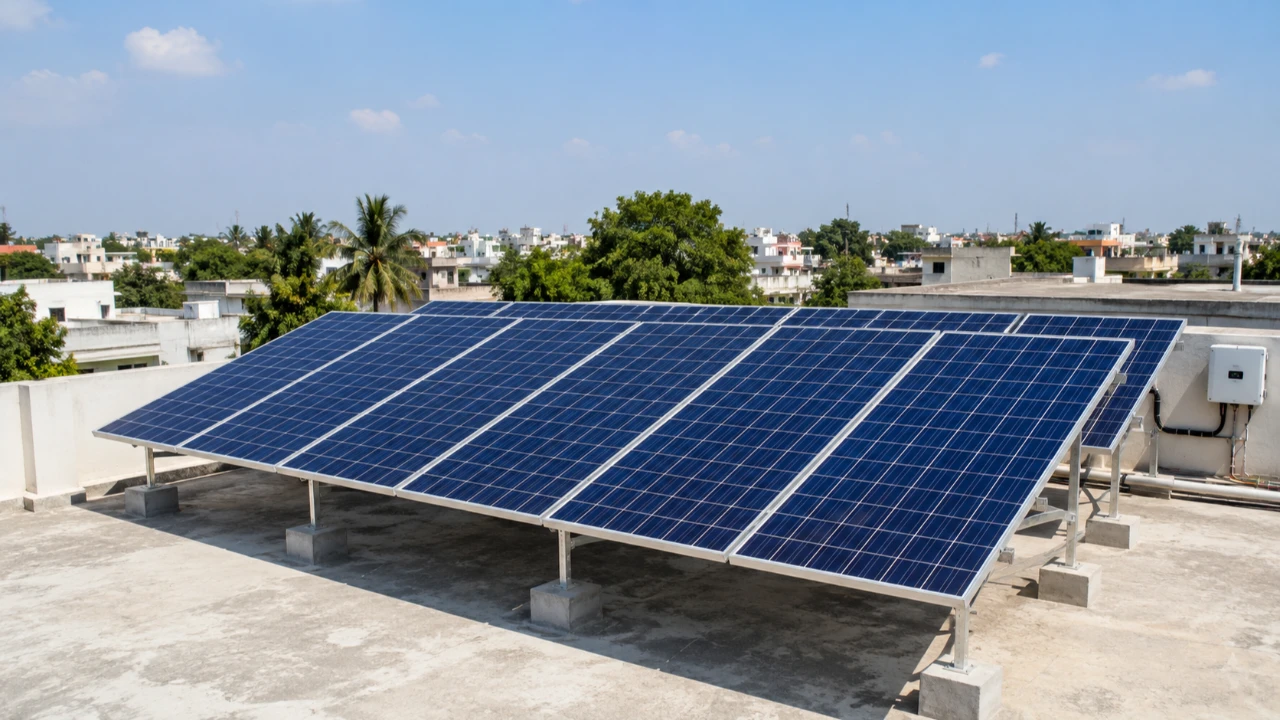
Rooftop solar systems use solar panels installed on the roof of a residential, commercial, or other suitable property to generate electricity from sunlight. The panels convert solar energy into electricity, which can then be used to meet the property’s power requirements.
A rooftop solar power system typically includes solar panels, an inverter, mounting structures, wiring, and other balance-of-system components. Grid-connected installations can also include a net meter to record electricity supplied to and exported from the grid.
Some key benefits include:
- Lower Electricity Bills: Solar generation can offset a portion of electricity purchased from the grid, potentially reducing monthly power costs.
- Government Support: Eligible installations may receive financial assistance under applicable government solar programmes, reducing the initial investment.
- Net Metering: Grid-connected installations can export surplus electricity to the grid, with applicable credits handled through the local utility’s net-metering arrangement.
- Renewable Power Generation: Solar panels generate electricity from sunlight without directly producing emissions during operation.
- Long-term Energy Generation: A properly installed system can continue generating electricity for many years with suitable maintenance.
- Low Routine Maintenance: Regular panel cleaning and periodic checks can help maintain system performance.
- Efficient Use of Roof Space: An unused roof can become a location for on-site electricity generation without requiring additional land.
How Much Does a Rooftop Solar System Cost?
The usual central subsidy under the PM Surya Ghar: Muft Bijli Yojana is ₹30,000 for a 1 kW system, ₹60,000 for a 2 kW system, and a maximum of ₹78,000 for systems of 3 kW and above. Group Housing Societies and RWAs can receive ₹18,000 per kW for common facilities, subject to the applicable capacity limit. The subsidy is provided to eligible residential beneficiaries through Direct Benefit Transfer after the required installation and Distribution Company (DISCOM) inspection processes.
The indicative cost by system size is:
System Size
Approximate Cost Before Subsidy
Subsidy
Approximate Cost After Subsidy
1 kW
₹60,000–₹80,000
₹30,000
₹30,000–₹50,000
2 kW
₹1,10,000–₹1,40,000
₹60,000
₹50,000–₹80,000
3 kW
₹1,50,000–₹1,90,000
₹78,000
₹72,000–₹1,12,000
5 kW
₹2,50,000–₹3,20,000
₹78,000
₹1,72,000–₹2,42,000
10 kW
₹5,00,000–₹6,50,000
₹78,000
₹4,22,000–₹5,72,000
These figures are indicative and can vary based on equipment, installation requirements, roof conditions, and other project-specific factors. The central subsidy is capped at ₹78,000 for systems of 3 kW and above under the stated structure, so larger systems do not receive an additional central subsidy beyond this amount.
What Components Are Used in a Rooftop Solar System?
A rooftop system brings several components together to convert sunlight into usable electricity.
1. Solar Panels
Solar panels capture sunlight and convert it into electrical energy. Panel capacity and efficiency influence how much electricity can be generated from the available roof area.
2. Solar Inverter
The inverter converts the electricity generated by the solar panels into a form that can be used by connected appliances and equipment. Its capacity should correspond to the expected electrical load.
3. Mounting Structures
Mounting structures secure the panels to the roof while positioning them appropriately for solar generation. Their design depends on the roof structure and installation requirements.
4. Net Meter
Grid-connected installations can use a bi-directional net meter to record electricity flowing between the property and the utility grid. Surplus solar power can be exported to the grid under the applicable net-metering arrangement.
5. Balance-of-System Components
Cables, connectors, protection devices, and other installation components complete the setup and allow the different parts to work together safely.
How is a Rooftop Solar System Installed?
Setting up a rooftop solar installation involves several stages, beginning with assessing the property and ending with commissioning the system.
1. Site Survey
An engineer assesses the roof to determine its strength, available installation area, and the presence of shadow-free zones. These factors help determine whether the roof is suitable and how the panels should be positioned.
2. DISCOM Application
The installation vendor submits the relevant application for feasibility approval and net metering with the local electricity distribution company, or DISCOM.
3. Physical Installation
Once the necessary approvals are in place, mounting frames, solar panels, and the inverter are installed on-site. Physical installation can typically take around one to two days, depending on the project.
4. Net Metering and Commissioning
The DISCOM inspects the completed installation before commissioning. A bi-directional net meter can then be installed to measure both electricity consumed from the grid and surplus solar electricity exported to it.
The process allows the completed rooftop solar setup to function as part of the property's electricity arrangement.
How Can You Choose the Right Solar System Size?
The right system capacity depends largely on the property's electricity requirements. Start by listing the appliances and equipment that need to operate using solar power.
Consider:
- Total Wattage: Add the power ratings of the appliances you plan to operate.
- Usage Duration: Estimate how many hours each appliance runs each day.
- Peak Load: Identify appliances that require higher power when switched on.
- Roof Area: Check whether sufficient suitable space is available for the required number of panels.
- Future Requirements: Consider potential changes in electricity consumption before finalising the system size.
A system can be designed around common loads such as lights, fans, televisions, laptops, computers, coolers, home appliances, and, where system capacity permits, air conditioners.
How can Solar Generation be Monitored?
Installing solar panels is only one part of managing a rooftop solar installation. Monitoring its performance can help users understand how much electricity the system generates and track its operation over time.
EastmanONE (EastmanOne) is an intelligent energy management and solar monitoring tool that can help users track the performance of rooftop solar and inverter systems. It provides visibility into:
- Real-time Performance: Monitor how the solar and inverter system is performing.
- Energy Generation: Track the electricity generated by the solar installation.
- Historical Data: Review previous performance and generation data to understand system trends.
Having access to this information can make it easier to keep track of solar generation and identify changes in system performance. Along with digital monitoring, regular panel cleaning and periodic inspection of other components can help maintain the installation over its operating life.
Make Your Roof Work for Your Energy Needs
A rooftop solar installation can turn an unused roof area into a source of renewable electricity while helping reduce dependence on grid power. Its overall value depends on selecting the appropriate system capacity, understanding the initial cost, choosing suitable components, and completing the installation and net-metering process correctly.
At Eastman Auto & Power Limited, we provide solar solutions designed with quality components, advanced technologies, and a focus on efficient energy generation. Our solutions can support different energy requirements while helping users monitor and manage solar performance effectively. Contact Eastman to explore suitable solar solutions and understand how proper system design can help improve long-term solar performance.
 78728 78728