



Introduction
Residential energy needs are evolving as households look for cleaner and more efficient ways to generate electricity. With increasing awareness around renewable energy, rooftop solar systems have become a practical solution for homes that want greater control over their power generation.
According to the Ministry of New and Renewable Energy (MNRE), the planned addition of 30 GW of residential rooftop solar under the PM Surya Ghar scheme is expected to generate 1,000 billion units of electricity and reduce 720 million tonnes of CO₂-equivalent emissions over the systems’ 25-year lifetime.
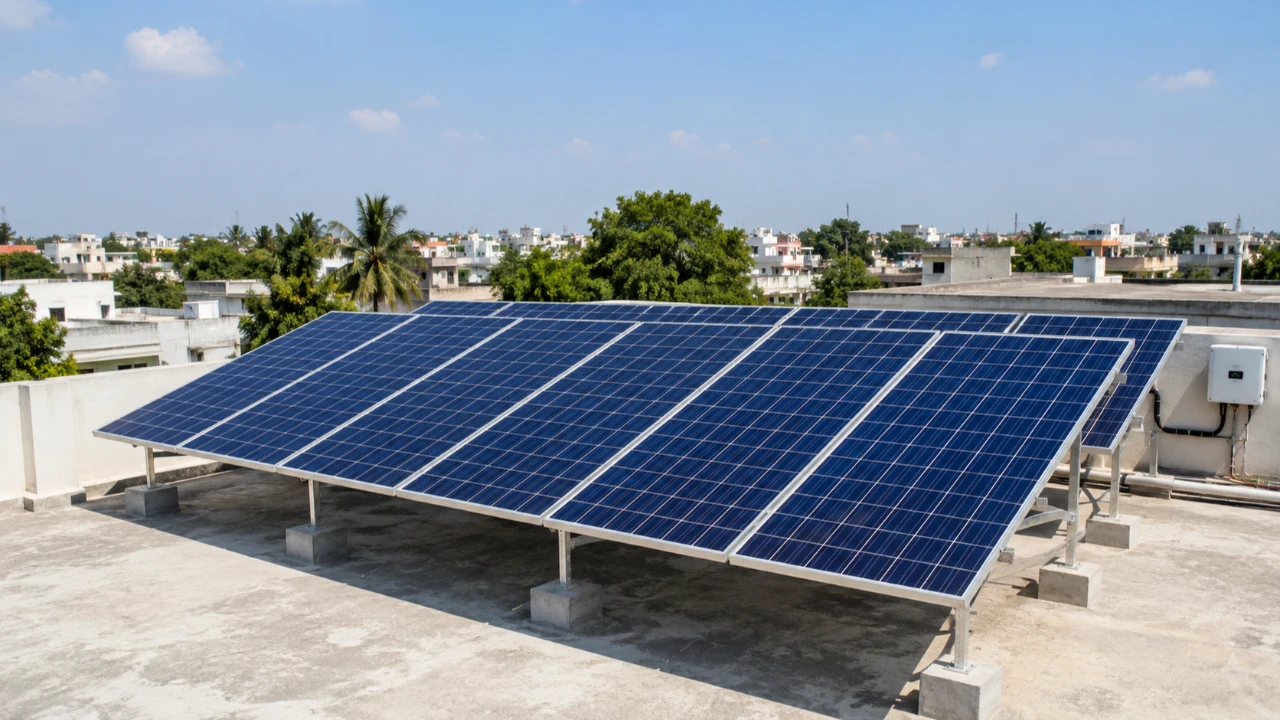
With advancements in solar technology and government support for rooftop installations, adopting solar energy is becoming more accessible for residential properties. Let’s explore 10 reasons why homeowners are making this change.
10 Reasons to Switch to Solar Power for Your Home
1. Transition Towards Renewable Energy
Solar power enables households to generate electricity using sunlight, a renewable source of energy available naturally. Unlike conventional energy sources, solar generation does not require fuel consumption during operation, making it a cleaner alternative for residential electricity needs.
Choosing to switch to solar power allows homeowners to adopt a more sustainable energy approach while reducing reliance on traditional electricity sources.
2. Reduce Dependence on Conventional Power Sources
A rooftop solar system enables homes to generate a portion of their electricity requirements independently. This reduces complete reliance on grid-supplied electricity and provides greater control over household energy consumption.
By choosing to switch to solar energy, homeowners can create a balanced energy system that combines solar generation with grid connectivity based on their requirements.
3. Make Better Use of Available Rooftop Space
Residential rooftops receive significant sunlight throughout the year, making them suitable locations for solar installations. Instead of remaining unused, these spaces can be converted into productive areas for electricity generation.
Before installation, homeowners should evaluate:
- Available rooftop area
- Sunlight exposure throughout the day
- Roof condition and structural strength
- Possible shading from nearby structures
A proper site assessment helps determine the right solar system capacity.
4. Reduce Your Home's Carbon Footprint
Electricity generation from conventional sources contributes to greenhouse gas emissions. Rooftop solar panels enable households to generate cleaner electricity, reducing dependence on conventional energy sources and contributing to a lower carbon footprint over time.
If you are planning to switch to solar energy, adopting a solar system is a practical step towards reducing the household carbon footprint while meeting everyday electricity requirements through renewable energy.
5. Support Sustainable Household Energy Goals
Solar adoption helps households contribute towards a cleaner energy ecosystem. Every unit of solar electricity generated reduces the need for electricity produced through conventional sources.
For families looking at how to switch to solar power, the transition supports individual energy requirements while aligning with wider renewable energy goals. Eastman Auto & Power Limited offers residential solar solutions designed to support efficient energy generation and management based on household requirements.
6. Prepare Your Home for Future Energy Requirements
Household electricity consumption continues to change with the adoption of appliances, smart devices, and electric mobility solutions. A solar system helps homes prepare for evolving energy needs by adding a renewable generation source.
A well-designed solar setup can be expanded or integrated with battery storage based on future requirements.
7. Benefit From Government Support for Rooftop Solar Adoption
Government initiatives have encouraged residential consumers to adopt rooftop solar systems. PM Surya Ghar: Muft Bijli Yojana eligible households can receive Central Financial Assistance for residential solar installations.
The subsidy structure includes:
- First 2 kW: ₹30,000 per kW
- Additional 1 kW: ₹18,000 per kW
- Maximum subsidy: ₹78,000 for systems above 3 kW
8. Improve Energy Management With Solar Technology
Modern solar systems include advanced components such as efficient inverters, monitoring systems, and battery integration options. These technologies help homeowners track generation and manage electricity usage more effectively.
Understanding how to select a solar system based on household requirements ensures better system performance and energy utilisation.
9. Add Flexibility With Energy Storage Options
Solar batteries allow households to store excess electricity generated during the day for later use. This can support homes that require backup power or want additional flexibility in managing their electricity consumption.
Battery selection should consider:
- Household energy requirements
- Backup duration
- Inverter compatibility
- Available installation space
The right storage solution can complement a rooftop solar system and improve energy availability.
10. Create a More Self-reliant Energy Setup
A solar-powered home can generate electricity closer to the point of consumption. This improves energy independence and gives homeowners greater visibility into their electricity generation and usage patterns.
When families switch to solar power, they are adopting a long-term energy solution designed to support changing household needs.
How to Switch to Solar Power With Eastman Residential Solar Solutions
Eastman Auto & Power Limited offers residential solar solutions designed to help homeowners adopt rooftop solar systems based on their energy needs, available space, and usage patterns.
The process of switching to solar power involves:
1. Assess Your Home's Energy Requirements
The first step is to review electricity consumption patterns and identify the suitable solar capacity for the household. Analysing monthly electricity usage helps determine the right system configuration.
2. Evaluate Rooftop Suitability
Before installation, homeowners should assess rooftop conditions, including available space, sunlight exposure, shading, and structural strength.
3. Select Suitable Solar Components
A residential solar system includes key components such as solar panels, inverters, mounting structures, and battery storage options where required.
4. Install and Set Up the Solar System
Once the system design is finalised, professional installation ensures proper placement of panels and connection of electrical components.
With solutions across solar panels, inverters, and energy storage systems, Eastman Auto & Power Limited supports homeowners in creating efficient residential solar setups. Its offerings include grid-tie, off-grid, and hybrid configurations, and an extensive service network supports product availability and 24/7 after-sales assistance.
Make the Switch to Solar Power Today
The decision to switch to solar power goes beyond installing solar panels. It involves creating an efficient residential energy system that matches household consumption, rooftop conditions, and future requirements.
If you have been thinking about the switch to solar power for your home, there has rarely been a better time to take that step and make the change than now.
 78728 78728