



Introduction
Solar energy has become an important choice for homes, businesses, and institutions seeking cleaner electricity solutions. As solar adoption continues to grow, understanding panel technology helps buyers make informed decisions before installation.
Different solar panels use different manufacturing methods, which influence their structure, appearance, efficiency, and suitability for various applications. Choosing the right solar panel depends on several factors, including available installation space, electricity requirements, budget considerations, and energy goals.
Let's explore these solar panel types and the key factors that help determine the right option for your property.
Monocrystalline Solar Panels: Built for Efficient Energy Conversion
Monocrystalline solar panels are created using a single silicon crystal structure. This design allows sunlight to be converted into electricity through a uniform cell structure. These panels are manufactured using single silicon crystal wafers, which give them their distinct black appearance.
They are widely used across residential, commercial, and industrial solar installations. Their design supports efficient energy conversion and compact power generation, making them suitable for different solar applications.
Polycrystalline Solar Panels: A Proven Approach to Solar Generation
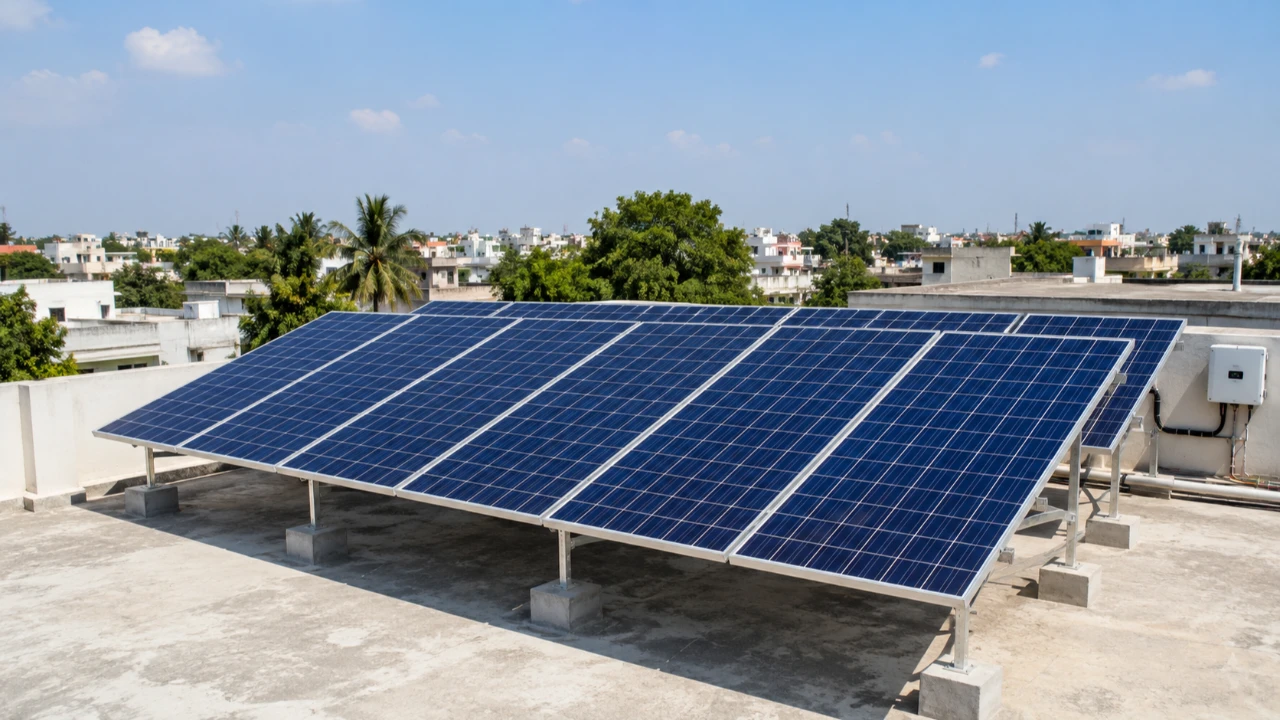
Polycrystalline solar panels are made using multiple silicon crystal fragments combined during the manufacturing process. This creates a blue-toned cell appearance and represents an established solar technology used across different types of installations.
These panels continue to support residential, commercial, and large-scale solar projects through practical energy generation solutions.
Key Difference Between Monocrystalline and Polycrystalline Solar Panels
The comparison of monocrystalline solar panels vs polycrystalline solar panels becomes clearer when you understand their structure, efficiency, design, and applications.
1. Silicon Structure and Manufacturing Process
The primary difference comes from their silicon structure. Monocrystalline panels use a single silicon crystal, creating a consistent cell structure that supports efficient energy movement.
Polycrystalline panels use multiple silicon crystal fragments combined during manufacturing. This difference influences the way each panel is designed and affects factors such as efficiency, appearance, and production methods.
2. Efficiency and Power Generation
Panel efficiency refers to how effectively sunlight is converted into usable electricity. Monocrystalline panels generally offer higher efficiency because of their single-crystal structure.
Polycrystalline panels can also deliver reliable energy generation when installed with suitable planning and sufficient space. Actual performance depends on various factors, including sunlight exposure, installation angle, shading conditions, temperature, inverter selection, and maintenance practices.
3. Space Requirements
Available installation space plays an important role when selecting solar panels. Properties with limited rooftop area often require panels that can generate higher output within a smaller space.
Monocrystalline panels are commonly preferred for compact installations because of their higher power density. Polycrystalline panels can suit larger areas where additional installation space is available.
The mono vs poly solar panels decision should consider both property size and expected electricity requirements.
4. Appearance and Design
Solar panels also differ in their visual appearance. Monocrystalline panels generally feature black cells with a smooth and consistent finish. Their clean design often complements modern homes and commercial structures.
Polycrystalline panels usually feature blue-toned cells with visible crystalline patterns. Both technologies can support effective solar installations when selected according to project requirements and design preferences.
5. Cost and Overall Project Value
Selecting a solar panel involves evaluating more than the initial purchase cost. Buyers should consider installation requirements, system capacity, warranty coverage, and expected energy generation.
Monocrystalline panels can provide strong output within limited spaces, while polycrystalline panels can support projects with broader installation areas.
The monocrystalline vs polycrystalline solar panels evaluation helps buyers identify which technology aligns better with their energy requirements.
How to Choose the Right Solar Panel for Your Needs?
Selecting a solar panel requires understanding how your property and energy requirements connect with available technologies.
1. Assess Your Available Installation Space
The available area for solar installation influences panel selection. Smaller rooftops may benefit from panels that provide higher power output within a compact area. Larger properties, commercial spaces, and open installations may offer more flexibility for planning panel placement and system capacity.
2. Understand Your Energy Consumption Needs
Your electricity usage helps determine the required solar system size. Reviewing monthly consumption patterns provides clarity about the generation capacity needed. A solar expert can assess your requirements and recommend a suitable configuration based on expected energy demand.
3. Consider Efficiency and Long-Term Performance
Efficiency plays an important role when evaluating solar panels. Higher-efficiency panels can support greater energy generation from limited installation areas. Along with efficiency, review module specifications, warranty details, certifications, and operating performance before making a final decision.
4. Evaluate Budget and Complete System Value
The overall solar investment includes panels, inverter, mounting structure, installation quality, and system design. Considering the complete solution helps you understand long-term value instead of focusing only on the initial panel cost.
5. Take Professional Guidance Before Installation
Every property has different conditions that influence solar performance. Roof direction, shading patterns, local climate, and later electricity needs should be assessed before installation.
When considering which solar panel is best, mono or poly, the suitable choice depends on your specific requirements. A professional assessment can help create a solar system designed around your energy goals.
Make an Informed Choice for Your Solar Journey
Selecting the right solar technology is an important step towards creating an efficient energy system. A well-planned installation combines suitable panels, quality components, and professional guidance to support reliable performance.
Every property has unique energy requirements, making personalised evaluation an important part of the decision process. By evaluating panel technologies alongside your property requirements, you can select a solar solution that supports your energy needs for years to come.
Eastman Solar offers Monocrystalline Solar solutions designed for homes, businesses, and diverse energy applications. Explore suitable panel options, understand your installation needs, and take a confident step towards a more efficient energy solution.
 78728 78728