



Introduction
Solar energy is increasingly being considered as an alternative way to generate electricity for homes, businesses, and other applications. By converting sunlight into usable power, solar systems offer a different approach to meeting everyday energy needs.
However, choosing solar energy requires an understanding of how it fits into your electricity requirements and long-term plans. The merits and demerits of solar energy can vary depending on the application, system design, and circumstances of the user. Looking at both sides provides a clearer understanding of what solar power involves before making a decision.
Let's explore the key advantages and disadvantages of solar energy to understand its potential and limitations.
What are the Key Merits of Solar Energy?
Solar energy offers several benefits that make it a practical option for different electricity requirements. Its advantages can vary based on factors such as system capacity, location, and consumption patterns.
Uses a Renewable Energy Source
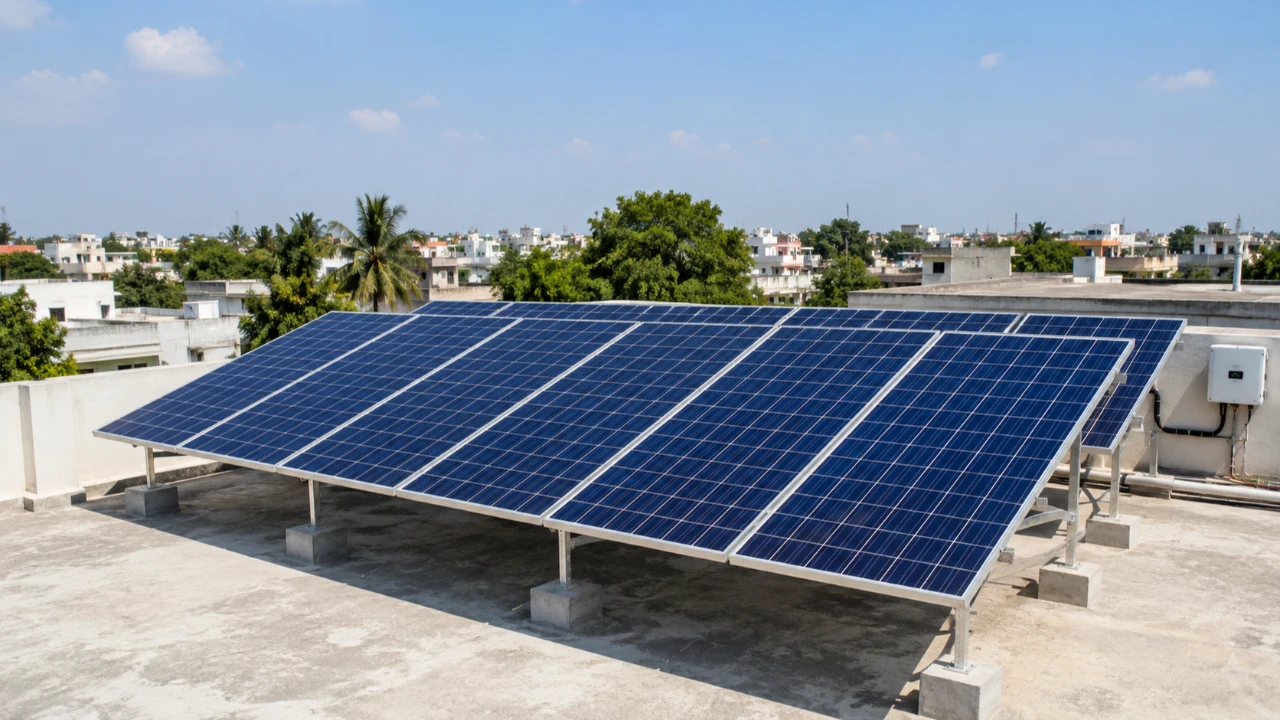
Solar power uses sunlight, a naturally available renewable resource, to generate electricity. Unlike conventional power generation methods that rely on fuel, solar photovoltaic systems generate electricity without consuming fuel during operation. This makes solar a useful option for those looking to incorporate renewable energy into their electricity supply.
Can Help Reduce Electricity Bills
A suitably sized solar system can generate electricity for a property's regular requirements. In grid-connected installations, surplus electricity may be exported to the grid under applicable net metering provisions. Generating a portion of electricity through solar can therefore reduce the amount of power purchased from the grid.
Requires Relatively Low Routine Maintenance
Solar photovoltaic systems generally have few moving components, which means their routine maintenance requirements are relatively limited. Periodic cleaning, inspections, and checks can help maintain system performance. The actual maintenance requirements depend on factors such as the installation environment, weather conditions, and equipment used.
Can Be Used Across Different Applications
Solar systems can be designed for residential, commercial, and industrial applications. System capacity can be selected according to electricity consumption, available installation space, and other technical requirements. This flexibility allows solar power to be considered for properties with different energy needs.
Supports Greater Energy Independence
Generating electricity on-site can reduce dependence on electricity purchased entirely from the grid. Depending on the system configuration, solar power can be combined with grid connectivity or battery storage to meet electricity requirements at different times.
What are the Demerits of Solar Energy?
Despite its benefits, solar energy also has certain limitations. Understanding these factors provides a balanced view of the benefits and drawbacks of solar energy before investing in a system.
High Initial Installation Cost
The upfront cost can be a significant consideration when installing a solar system. The overall investment may include solar panels, inverters, mounting structures, wiring, installation, and other components. Adding battery storage can increase the initial cost further. The final amount depends on factors such as system capacity, equipment specifications, and installation requirements.
Depends on Sunlight Availability
Solar panels require sunlight to generate electricity. Their output can therefore vary depending on the time of day and weather conditions. Electricity generation is unavailable from solar panels at night, while cloud cover, rain, and other environmental conditions can affect daytime output.
Requires Suitable Installation Space
Solar panels need sufficient space with suitable exposure to sunlight. Roof size, orientation, and structural conditions can influence installation possibilities. Shading from trees, buildings, or nearby structures may also reduce the amount of sunlight reaching the panels and affect electricity generation.
How Can These Limitations Be Addressed?
While these factors should be considered before installing a solar system, certain measures can help address their practical challenges.
- Government Subsidies Can Reduce Initial Costs: Under the PM Surya Ghar: Muft Bijli Yojana, eligible households can receive central financial assistance of ₹30,000 per kW for the first 2 kW and ₹18,000 per kW for the additional 1 kW. The maximum central subsidy is ₹78,000 for systems of 3 kW or higher.
- Battery Storage Can Manage Variable Generation: Solar generation depends on sunlight and may vary during cloudy weather or at different times of the day. Battery storage can store surplus electricity generated during periods of higher solar output and make it available when generation is lower.
- Site Assessment Can Optimise Available Space: A professional site assessment can identify suitable areas for panel installation based on roof size, orientation, structural conditions, and shading. Proper panel placement can help make effective use of the available installation area.
Why Choose Eastman for Solar Energy Solutions?
Understanding the pros and cons of solar energy is important when selecting a solar solution and provider. Eastman Auto & Power Limited offers solar energy solutions for homes, businesses, and other applications, supported by services designed to meet customer requirements.
Our product solutions are complemented by after-sales assistance, including 24x7 service support and a 2-hour service response time. This combination of solar solutions and responsive customer support makes Eastman an option to consider when exploring solar power for your electricity needs.
 78728 78728