



Introduction
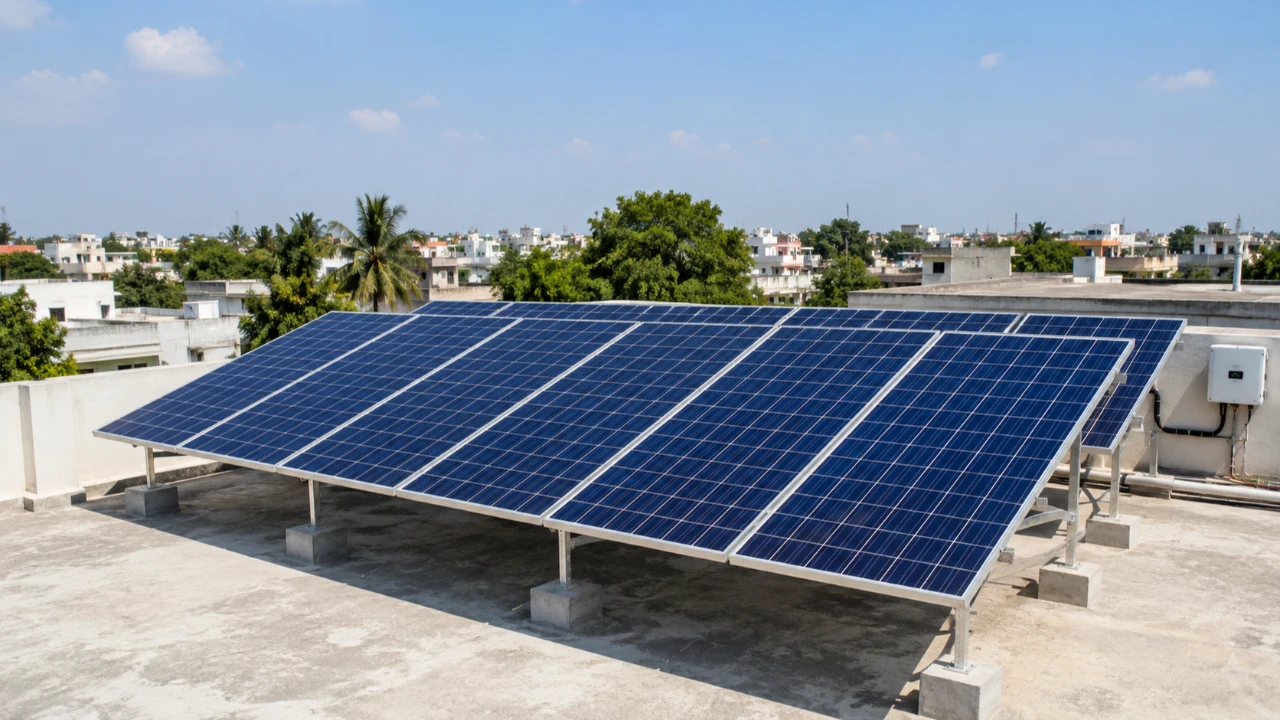
As the world transitions towards renewable power, home solar systems rely heavily on strong energy storage.
If you have ever wondered how lithium-ion batteries are made for solar setups, the answer lies in a high-precision, multi-step engineering process designed to maximise energy density and operational safety.
From slurry mixing to final cell testing, modern production lines must maintain immaculate environmental controls. Let us explore the fascinating step-by-step journey of these modern energy powerhouses.
What Raw Materials are Used to Make a Lithium-ion Solar Battery?
Before assembly begins, specific core components are gathered to form the foundational structure of the energy storage unit.
| Component | Common Materials Used | Primary Function |
|---|---|---|
| Cathode (Positive Electrode) | Lithium Iron Phosphate (LFP) or Nickel Manganese Cobalt (NMC) | Provides the source of active lithium ions during operation. |
| Anode (Negative Electrode) | Synthetic or Natural Graphite | Intercalates and stores lithium ions when charging. |
| Current Collectors | Aluminium foil (Cathode) and Copper foil (Anode) | Collects and conducts electrical currents outward. |
| Separator | Polyethylene or Polypropylene microporous film | Prevents short circuits while permitting ion passage. |
| Electrolyte | Lithium salt dissolved in organic solvents | Acts as the chemical conductive medium for ion transfer. |
Understanding how lithium batteries are made requires looking closely at how these distinct raw elements are processed into cohesive, sealed battery cells.
How are Battery Electrodes Fabricated?
The initial stage transforms raw powders and foils into high-performing electrode sheets.
- Slurry Preparation (Mixing): Active materials, conductive additives, and chemical binders are thoroughly mixed inside vacuum mixers to create a uniform slurry.
- Precision Coating: The liquid slurry is spread onto continuous metallic foils (aluminium for cathode, copper for anode) in a roll-to-roll process.
- Drying and Moisture Extraction: Coated foils pass through long heating tunnels to remove solvents completely.
- Calendering (Compression): Coated metal sheets pass between heavy heated rollers. This process compresses the active material to increase density and ensure uniform thickness. Advanced roll-cleaning systems (such as doctor blade assemblies) are often used to keep continuous rollers free of debris and maintain strict quality standards.
- Slitting: The wide, coated foil rolls are sliced by precision cutters into narrow strips matching exact cell specifications.
How are Battery Cells Assembled and Sealed?
Once the electrodes are fully prepared, assembly technicians or automated lines put together the active cell components.
- Winding or Stacking: Depending on whether the final battery cell is cylindrical, pouch, or prismatic, the cathode, anode, and microporous separator film are layered together. Stacking or winding ensures the separator prevents direct contact between positive and negative layers while retaining ion mobility.
- Terminal Tab Welding: Electrical contact tabs are ultrasonic-welded onto the ends of the electrode foils to establish connection terminals.
- Enclosure Packaging: The wrapped or stacked core is placed into a protective housing (such as an aluminium casing or pouch film) and partially sealed.
- Vacuum Drying: Assembled cells undergo extended baking in vacuum ovens to drive off all ambient humidity, protecting long-term chemical stability.
- Electrolyte Filling and Final Sealing: Under dry-room conditions, liquid electrolyte is injected into the enclosure. The cell is completely sealed shut to preserve airtight conditions.
Learning how a lithium battery is made reveals how important airtight precision is; even trace amounts of moisture can degrade internal chemistry.
Why are Formation, Aging, and Quality Testing Essential?
A battery is not immediately operational once filled; it requires electrochemical activation before deployment. Understanding how a lithium-ion battery is made ready for commercial duty highlights the importance of the finishing stage:
- Cell Formation: The cell undergoes its very first controlled charge-discharge cycle. This initial charge creates a protective Solid Electrolyte Interphase (SEI) layer on the graphite anode, ensuring future charge stability.
- Aging and Stabilisation: Cells are stored in temperature-controlled rooms for days or weeks. This allows internal stress to settle and helps flag subpar cells that display abnormal voltage drops.
- Sorting and Module Integration: Fully tested cells are sorted by capacity and resistance. Individual cells are grouped into modules, equipped with a Battery Management System (BMS), and encased inside durable solar storage units.
Why Choose Eastman Solar Lithium Batteries?
When selecting an energy storage system for your residential or commercial solar setup, battery architecture, safety, and longevity are paramount. Eastman offers a comprehensive range of advanced Lithium Iron Phosphate (LiFePO4) solar batteries designed for high efficiency, space optimisation, and long-term reliability.
| Battery Series | Capacity and Voltage Options | Key Features | Warranty |
|---|---|---|---|
| Solar Lithium Battery (LiFePO4) Wall Mount | 100Ah Range | Compact design, space-saving wall-mount setup, seamless inverter compatibility. | Up to 10-Year Warranty* |
| Solar Lithium Battery (LiFePO4) Rack Type | 100Ah Range (High Voltage) | Designed for high-voltage systems, scalable modular architecture, strong power backup. | 10 Years Warranty* |
| Solar Lithium Battery (LIB) | 25.6V / 51.2V Options | Flexible low/medium voltage variants, long cycle life, low self-discharge rate. | 5 Years Warranty* |
Choose Advanced Solar Energy Storage Solutions
As global adoption of residential and commercial solar systems continues to accelerate, the manufacturing process for lithium-ion storage cells is evolving rapidly to meet modern energy demands. Key advancements focus on improving energy density, enhancing system safety, and lowering production costs through better automation.
Eastman Auto & Power Limited provides high-performance lithium-ion batteries tailored specifically for long-term solar storage applications. Explore our range of reliable solar energy storage solutions designed to support efficient energy management and dependable power availability.
Source
https://dcf.kadant.com/en/how-are-lithium-ion-batteries-manufactured
 78728 78728