



Introduction
solar panels are increasingly being used in homes and commercial spaces to generate electricity from sunlight. While their daytime operation is relatively straightforward, questions often arise about what happens after sunset or when the grid supply is interrupted.
These situations depend on how the solar system is configured and the role played by its panels, inverter, and battery. Understanding these components can help users set realistic expectations about electricity generation, storage, and backup. If you are wondering how a solar panel works at night, it is useful to look at how solar generation and energy storage work together.
Let's learn how solar panels work at night, what happens during a power cut, and how batteries can support electricity needs.
How Solar Panels Work to Generate Electricity
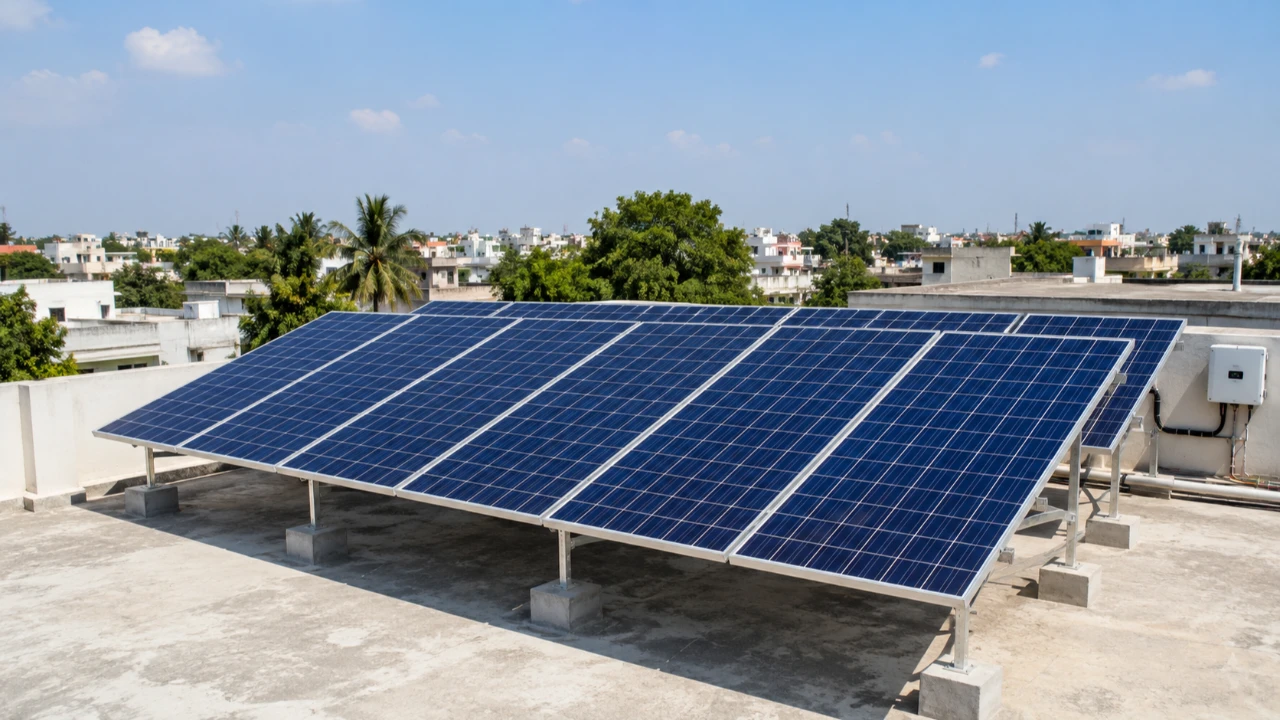
Solar panels need sunlight to generate electricity, so they cannot produce a normal supply of power after sunset. Therefore, a solar panel works at night only as part of a wider solar system that may have access to stored energy or grid electricity.
The role of a battery can be understood through these points:
Solar Panels Generate Power During Daylight
Photovoltaic cells convert sunlight into electricity while sufficient sunlight is available. During this period, the generated electricity can be used to operate connected appliances.
A Battery is Not Required for Daytime Use
Without a battery, electricity generated by the panels can be used directly by connected appliances during the day. Depending on the system configuration, excess electricity may also be exported to the grid.
Without Storage, Solar Power is Unavailable After Sunset
Daytime generation cannot be stored within the solar system without a battery. Once the panels stop generating electricity, a grid-connected property generally draws power from the grid.
A Battery Stores Surplus Daytime Generation
With suitable battery storage, excess electricity generated during daylight can be stored for use after sunset. This is what makes solar power at night possible for a system with energy storage.
Solar Energy at Night Depends on the System Configuration
The panels themselves do not generate electricity at night. Instead, stored solar energy can be supplied through the battery and inverter when required.
This explains why solar panels working at night refers to using stored solar-generated electricity rather than continued electricity generation by the panels after sunset.
How Does a Solar System Work at Night With a Solar Battery?
A solar system generates electricity from sunlight during the day, while a solar battery stores surplus energy for later use. At night, when the panels are no longer receiving sunlight, the system can use this stored surplus energy to power compatible appliances and other connected loads. This allows solar-generated electricity to support energy needs even after sunset.
The process can be understood through these steps:
Sunlight Reaches the Panels
Photovoltaic cells in the solar panels absorb sunlight and generate DC electricity.
The Inverter Converts the Electricity
A solar inverter converts the DC electricity into AC electricity that can be used by compatible electrical loads.
Solar Electricity Powers Connected Loads
During the day, the generated electricity can power appliances and other connected loads while solar generation is available.
Excess Electricity is Stored or Exported
If the system generates more electricity than is being used, the surplus can be directed to a compatible battery for storage or exported to the grid, depending on the system configuration.
Battery Stores Excess Energy
The solar battery stores electricity generated during daylight hours so it can be used when solar generation is reduced or unavailable.
Stored Energy Supports Night-time Consumption
After sunset, the solar panels stop generating electricity. The battery can then supply stored energy to compatible loads, allowing solar-generated electricity to support consumption at night.
The Battery Can Provide Backup Power
In a compatible system, stored energy can supply selected loads during a power cut. The available backup depends on the battery capacity, charge level, system configuration, and connected load.
The Inverter Manages Electricity Flow
The inverter coordinates the conversion and delivery of electricity according to the system configuration. This helps direct power between the panels, battery, connected loads, and grid where applicable.
Battery Capacity Determines Available Energy
The amount of electricity available from the battery depends on its capacity, current charge level, and the power requirements of the connected loads. A higher-capacity battery can generally store more energy for later use.
Can Solar Power Be Used During a Power Cut?
A power cut is different from normal night-time operation. During an outage, the grid supply is unavailable, even though the solar panels may still receive sunlight during the day. A standard grid-connected solar installation may stop supplying electricity when the grid goes down.
Solar panels alone should therefore not be treated as a guaranteed backup source. An off-grid solar system can continue supplying electricity without a grid connection, while a suitably configured grid-connected system with battery storage and backup-capable inverter technology can provide power to selected loads during an outage.
The availability and duration of backup depend on the system configuration, battery capacity, and connected load.
How Long Can Solar Backup Last During a Power Cut?
There is no fixed backup duration for every solar installation. The available backup depends on the battery, inverter, and electricity demand of the connected appliances.
Consider these factors when estimating backup time for a solar panel at night:
Battery Capacity
A higher usable capacity can store more electricity for later consumption.
Connected Load
High-power appliances consume stored energy faster than lower-power appliances.
Battery Charge
The available charge when the outage begins affects how long the stored energy can last.
Solar Generation
During daylight, a suitable system can receive additional energy from the panels.
Inverter Capacity
The inverter must be appropriate for the electrical load being supported.
What Should You Consider When Choosing a Solar Backup System?
Choosing a solar backup setup requires looking at your actual electricity requirements. These considerations can help you identify an appropriate combination of panels, battery, and inverter:
Identify Essential Appliances
List the lights, fans, refrigerator, router, and other equipment that should operate during an outage.
Calculate the Required Load
Add the power requirements of the appliances you expect to use together.
Choose Suitable Battery Capacity
Consider the amount of stored electricity required and the expected backup duration.
Check Inverter Compatibility
Ensure the inverter supports the intended solar and battery configuration.
Review the Complete System
Panels, batteries, and inverters should be selected as compatible components of the same electrical setup.
When assessing whether a solar panel system can meet your electricity requirements at night, look at the complete combination of solar generation, storage, and inverter capacity. This is more useful than considering the panel capacity alone.
Building a Solar System That Meets Your Power Needs
Planning a solar installation starts with understanding how your household uses electricity throughout the day and night. Evening consumption, appliance priorities, and the frequency of power interruptions can influence the setup that best suits your requirements.
Eastman Auto and Power Limited offers solar batteries and inverter solutions to support different electricity needs. We also offer 24x7 service support with a 2-hour service response time, helping customers access assistance when required. Before choosing a system, consider factors such as expected load, battery capacity, inverter specifications, and installation requirements.
A well-planned setup can help you make better use of electricity generated during daylight hours and support consumption after sunset.
Contact Eastman Auto and Power Limited to discuss your solar requirements and explore suitable battery and inverter solutions for your needs.
 78728 78728