



Introduction
Electricity costs are becoming a bigger part of household planning as homes use more appliances, cooling systems, digital devices, and backup solutions. For many homeowners, the focus is no longer only on reducing one month's bill.
It is also about finding a dependable way to manage energy expenses over several years. The benefits of solar panels become clearer when rooftop space is seen as a long-term energy asset. Eastman supports this shift with reliable solar solutions designed for Indian homes, practical usage needs, and changing power demands.
With the right solar system, households can move towards smarter energy control. Let's look at how solar panels help reduce electricity costs for years.
Key Benefits of Solar Panels for Indian Homes
The benefits of solar panels in homes are especially relevant for Indian households with sunny rooftops, rising power demand, and long-term savings goals.
- Supports Daytime Power Consumption
Many Indian homes use several appliances during the day. Solar generation supports this pattern by producing electricity when sunlight is available. This is helpful for families working from home or using water pumps and household appliances regularly. Daytime generation can reduce grid dependence during active usage hours. - Reduces Pressure During Peak Electricity Months
Electricity bills often rise during summer because cooling needs increase. Solar panels can help manage this pressure by supporting daytime energy consumption.
The benefits of installing solar panels are stronger when the system matches the home's usage pattern. Proper system sizing can help homeowners get better value from solar generation. - Supports Future-ready Home Energy Planning
Homes are using more technology-driven appliances than before. Smart devices, kitchen equipment, charging needs, and backup systems are adding to household power demand.
Solar panels help homeowners plan energy use with better awareness. This makes household electricity management more practical, cost-focused, and future-ready. - Makes Rooftop Space More Useful
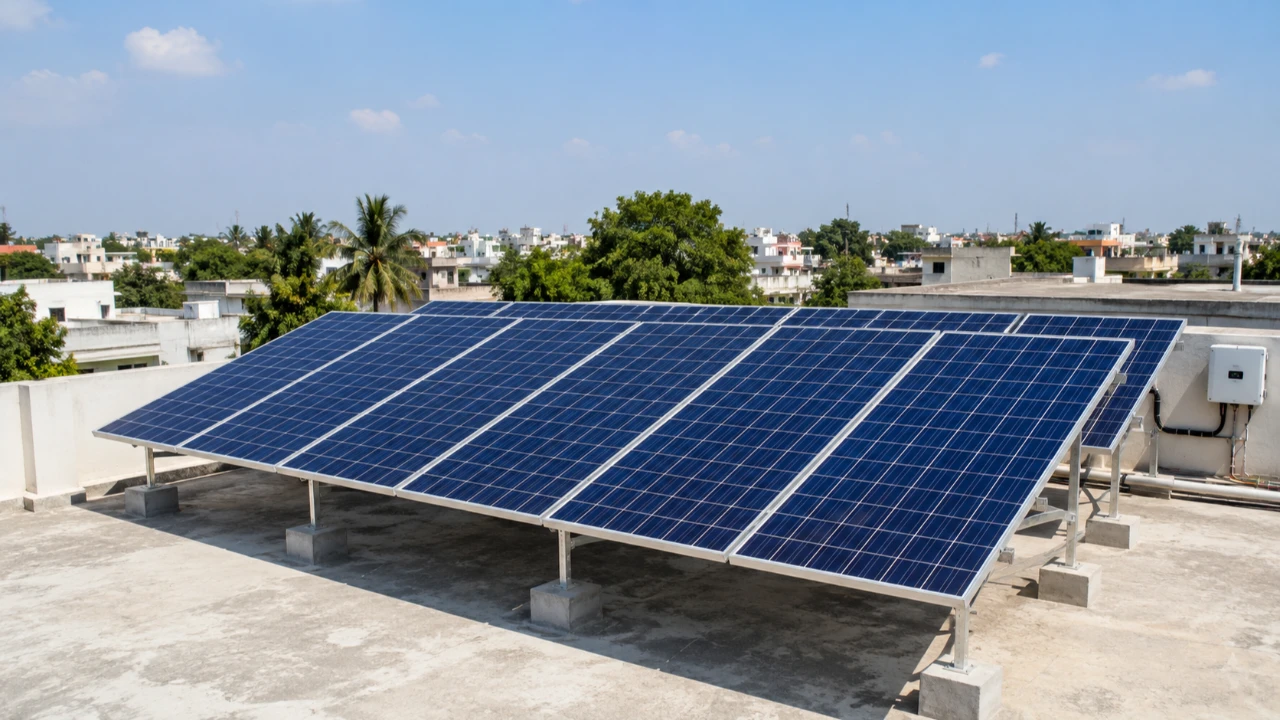
Many Indian homes have rooftops that receive strong sunlight for several hours each day. Solar panels can turn this available space into a practical source of household energy.
The benefits of solar panels on roof installations become stronger when the roof is planned properly. Correct placement, shade assessment, and system design can help homeowners get better generation from unused space. - Adds Value to Long-term Household Savings
Solar panels can support savings over several years, not just during one billing cycle. This makes them useful for homeowners who want better control over recurring electricity costs.
The benefits of having solar panels become more meaningful as household power needs increase. A well-planned system can support today’s usage while helping families prepare for future energy demand.
How Eastman Solar Panels Support Reliable Rooftop Performance
Eastman offers solar panels designed for different capacity needs, roof sizes, and household energy requirements.
Solar Panels (DCR): Mono Bifacial
500W & 550W Range | 27 Years Warranty*
These DCR-compliant Mono Bifacial solar panels are designed for efficient energy generation by utilising sunlight received from both sides of the module. With a 27-year warranty*, they support reliable performance and long-term value for residential solar installations.
Solar Panels (DCR): TOPCon Technology
580W & 625W Range | 30 Years Warranty*
These DCR-compliant TOPCon Technology solar panels use advanced cell technology to deliver higher power output and improved efficiency. Backed by a 30-year warranty*, they are designed for residential applications requiring dependable energy generation and long-term performance.
Choose Eastman for Smarter Solar Savings and Long-term Support
Choosing solar should feel reliable from the first consultation to everyday system use. Eastman helps homeowners make this transition with solar panels designed for efficient generation, practical rooftop performance, and changing household energy needs.
We also support customers with 24/7 service support and certified engineers, making ownership more dependable beyond installation. This matters because a solar system needs the right guidance, correct setup, and timely after-sales care to perform well over time.
For families planning rooftop solar, Eastman offers a smarter way to manage electricity costs. With expert support and reliable products, your roof can become a lasting energy asset. Explore Eastman's solar panel range today and take the next step towards long-term energy savings.
Frequently Asked Questions
1. What is the average return on investment (ROI) and payback period for residential solar panels?
Residential solar panels commonly have a payback period of around five to ten years. Actual ROI depends on installation costs, electricity tariffs, system output, financing, maintenance expenses, available incentives, and the amount of solar electricity consumed at home.
2. Are there government subsidies or tax incentives available for installing rooftop solar panels?
Yes. Under the PM Surya Ghar: Muft Bijli Yojana, eligible Indian households can receive up to ₹78,000 in central financial assistance for rooftop solar installations. Some states may offer additional subsidies or incentives. Eligibility, benefit amounts, and application requirements depend on the system capacity, location, and applicable programme guidelines.
3. How long do residential solar panels typically last?
Residential solar panels typically operate for 25 to 30 years, although their electricity output gradually declines over time. Inverters may require earlier replacement, while regular inspections and proper cleaning can help the overall system perform reliably.
4. Can solar panels protect consumers against rising utility electricity tariffs?
Solar panels can reduce the amount of electricity purchased from the grid, limiting exposure to future tariff increases. The level of protection depends on system size, daytime consumption, solar generation, net-metering rules, and remaining fixed utility charges.
5. What is the difference between on-grid and off-grid solar benefits for homeowners?
On-grid solar connects to the utility network, allowing homeowners to use solar electricity while retaining grid support. Off-grid solar operates independently and usually requires battery storage, making it suitable for remote areas or properties without reliable grid access.
 78728 78728