



Introduction
Uttarakhand has crossed a historic milestone of 1 gigawatt in installed solar power capacity, reaching about 1,027.87 megawatts in February 2026. This progress reflects the growing adoption of solar energy across the state, including rooftop installations and other solar projects.
Installing solar panels can help you generate electricity at home while reducing your dependence on conventional power. The Uttarakhand solar subsidy supports eligible residential consumers through applicable state provisions covering rooftop installations, subsidies, net metering and solar-plus-storage systems.
The state policy also supports housing societies and selected community projects. Let’s understand the key provisions, eligibility requirements, subsidy amounts and benefits before planning your solar installation.
What is the Uttarakhand Solar Policy 2023?
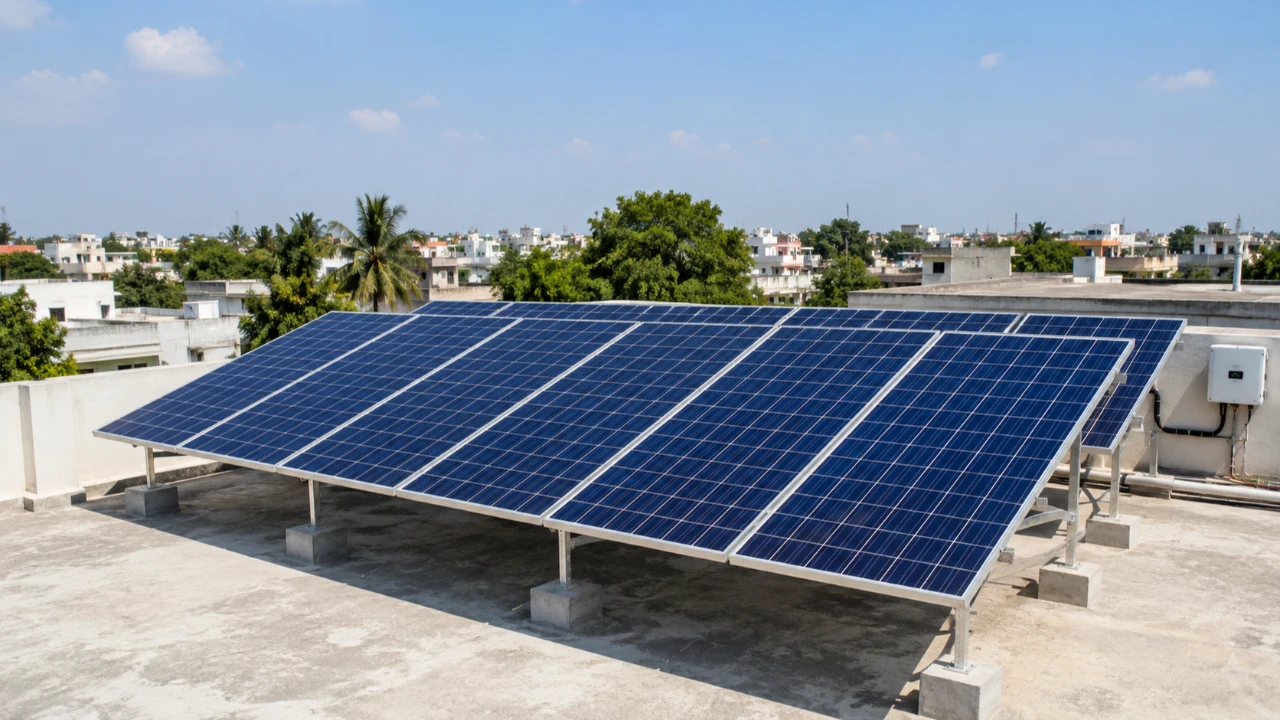
The Uttarakhand State Solar Policy, 2023 encourages solar adoption across residential and other consumer categories, allowing solar power plants to be installed on rooftops or within consumer premises.
As part of the state’s financial support for solar installations, the Uttarakhand solar subsidy is provided over and above applicable Central Government subsidies.
At the state level, the Uttarakhand Renewable Energy Development Agency (UREDA) serves as the nodal agency under the policy and supports the implementation of several solar initiatives across Uttarakhand. It also supports the implementation of several solar initiatives across the state.
Who Can Install Rooftop Solar in Uttarakhand?
Residential Consumers
You can install a solar power plant on your rooftop or within your premises under the policy. Residential consumers can install systems irrespective of their sanctioned load, subject to the applicable Uttarakhand Electricity Regulatory Commission (UERC) regulations.
If your sanctioned load exceeds 10 kilowatts (kW), the policy encourages you to meet at least 30% of your annual electricity consumption through renewable energy sources over the next five years.
The policy also allows a developer to install a solar plant on a residential consumer's premises for supplying power to that consumer under an agreed power sale arrangement.
Housing Societies and Residential Complexes
Upcoming large residential complexes, housing societies and townships with sanctioned loads above 100 kW must meet 100% of their common-area energy requirements through rooftop solar.
This requirement covers areas such as parks, lifts, gyms and stairways. Existing buildings and societies are also encouraged to meet their energy requirements through solar power.
How Much is the Uttarakhand Rooftop Solar Subsidy?
The state provides different subsidy amounts based on the project category and system capacity. The policy also states that the rooftop solar subsidy is inversely proportional to system capacity.
| Project Category | Capacity | State Subsidy |
|---|---|---|
| Rooftop Solar | 0–1 kW | ₹23,000/kW |
| Rooftop Solar | 1–3 kW | ₹17,000/kW |
| Community Solar | 5–50 kW | ₹8,000/kW |
| Solar Villages | 50–200 kW | ₹5,500/kW |
The Uttarakhand solar subsidy is provided over and above the subsidy from the Central Government. Before installing a system, check the applicable capacity requirements and current implementation provisions.
How Does Net Metering Work in Uttarakhand?
Net metering allows your solar generation to be accounted for against your electricity consumption under applicable regulations. The policy also provides for Virtual Net Metering (VNM) and Group Net Metering (GNM).
These arrangements can support consumers who have limitations with rooftop space or multiple electricity connections, subject to applicable regulations. The policy states that solar generation will be accounted for under net metering or VNM provisions notified by UERC.
If your system generates excess electricity, you can receive compensation based on the feed-in tariff rates notified by UERC from time to time. These provisions form an important part of the Uttarakhand solar subsidy framework.
What Other Incentives Does Uttarakhand Offer for Solar?
SGST Reimbursement
The policy provides 50% reimbursement of State Goods and Services Tax (SGST) paid on the sale of rooftop solar power plants for five years. This provision can add to the financial support available for eligible residential installations.
Charge Exemptions
The policy states that transmission and wheeling charges or losses will not apply to solar power plants installed under the applicable residential category.
It also provides exemptions from cross-subsidy and additional surcharge for solar power plants established under the VNM framework. These provisions can reduce certain costs associated with solar power generation and accounting.
Can You Install Solar With Battery Storage?
You can consider solar-plus-storage systems under the policy, particularly if you need greater control over self-consumption. The policy promotes these systems in identified solar villages and areas that face grid disruptions.
It also promotes behind-the-meter rooftop solar plants with energy storage capacity below 1 kW. Such systems can support rural communities in hilly and snow-bound areas that experience limited grid access or disruptions.
The policy also provides a specific subsidy for behind-the-meter systems with storage. Check the applicable provisions before selecting your system.
What are the Benefits of Installing Rooftop Solar in Uttarakhand?
You can use rooftop solar to generate renewable electricity at your premises and reduce your dependence on grid-supplied power.
The Uttarakhand solar scheme also gives eligible consumers access to state-level financial support and applicable Central Government subsidies. Net metering provisions can further help you account for solar generation under applicable regulations.
Your potential benefits can include:
- Lower dependence on conventional electricity.
- Access to applicable state and Central Government subsidies.
- Net metering or VNM provisions where applicable.
- Support for solar-plus-storage systems in specified cases.
- Greater use of renewable energy at your premises.
Take the Next Step Towards Rooftop Solar in Uttarakhand
The Uttarakhand solar subsidy can help reduce the upfront cost of an eligible solar installation. The state policy also provides support through net metering, SGST reimbursement, and other applicable incentives.
If you are planning a residential solar installation, assess your electricity needs, check the applicable policy requirements, and confirm your subsidy eligibility before purchasing panels.
You can also explore eligible solar panels from Eastman and check if you qualify for the applicable Uttarakhand solar subsidy. Eastman offers 24x7 service support, 2-hour service response time, and expert engineers for solar installation. So, check the current subsidy requirements before installation and take the next step towards generating solar power at home.
 78728 78728