



Introduction
Living independently from the electricity grid can give households greater control over how they generate and use power. Solar systems can support essential appliances, lighting, and other daily requirements while reducing dependence on conventional electricity sources.
However, moving towards an off-grid setup requires careful planning around energy consumption, solar capacity, battery storage, and inverter selection.
Let’s understand the key steps involved in transitioning to an off-grid lifestyle and the features to consider when selecting a suitable solar inverter for your home.
What Does Solar Living Mean with an Off-Grid Style?
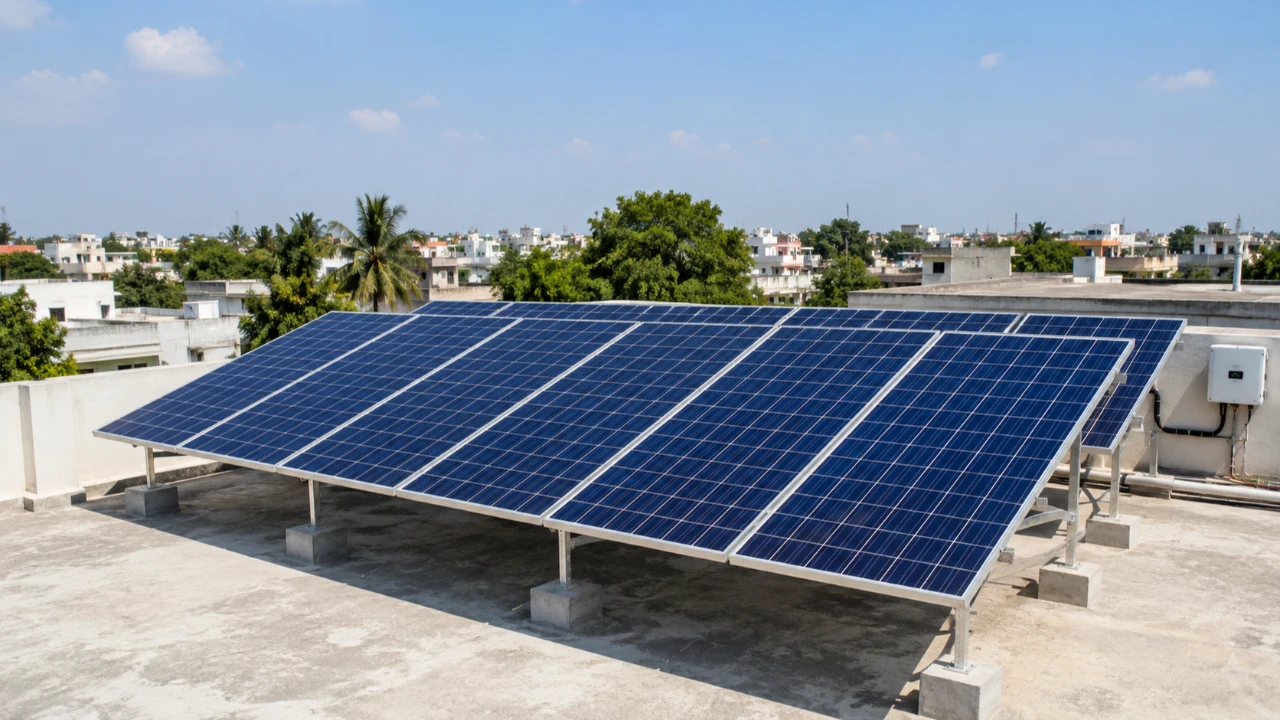
Solar living refers to using energy generated from sunlight to meet household electricity requirements. In a fully off-grid setup, solar panels generate electricity, batteries store surplus power, and an inverter converts it into usable electricity for appliances.
This approach can support solar-powered living by creating an independent energy system for homes that may not rely on the electricity grid. The system needs to be appropriately sized according to household consumption, available sunlight, and expected appliance loads.
Why Should You Consider an Off-grid Solar Lifestyle?
An off-grid system can change how you generate, store, and consume electricity. Before making the transition, consider these potential advantages:
Reduced Dependence on the Electricity Grid
An off-grid solar system can generate electricity independently, reducing reliance on grid-supplied power. Battery storage can retain surplus solar energy for use when sunlight is unavailable, including during evenings.
Greater Control Over Household Energy
Generating and storing your own electricity allows you to monitor energy production and consumption more closely. This can help you plan appliance usage according to available solar power and battery capacity.
Sustainable Everyday Energy Use
Using sunlight as an energy source can support solar energy for everyday life, from powering lights and fans to running refrigerators, pumps, and electronic devices. Efficient system planning can help make better use of the energy generated.
How Can You Transition to an Off-grid Lifestyle With Solar Power?
Moving to an off-grid system involves several practical decisions. Start by understanding your household requirements before choosing the equipment.
Assess Household Energy Consumption
List the appliances you use daily and note their power ratings and approximate operating hours. Include lighting, fans, refrigerators, pumps, televisions, computers, and other essential devices to estimate your total electricity requirement.
Determine the Required Solar Capacity
Your solar panel capacity should reflect your daily energy consumption, local sunlight availability, and expected system losses. A professional assessment can help determine the appropriate panel capacity for your household.
Select a Suitable Solar Inverter
The inverter is responsible for converting the Direct Current (DC) generated by solar panels into Alternating Current (AC) used by household appliances. Select an inverter that can handle your expected loads and starting power requirements.
Add Battery Storage
Batteries store excess solar electricity for use when panels are not generating sufficient power. Consider your evening consumption, backup requirements, and expected duration of battery use when determining the required storage capacity.
Plan Appliance Usage
Prioritise essential appliances and understand their individual energy requirements. High-load devices may require additional planning to ensure the inverter and battery system can support them without exceeding their rated capacity.
Prepare for Seasonal Solar Variations
Solar generation can vary with weather conditions and seasonal changes. Account for these variations while sizing the system and battery storage so that essential household requirements can continue to be supported.
What Features Should You Expect from Eastman Solar Off-grid Inverters?
Eastman solar off-grid inverters include features designed to support household loads, efficient charging, and reliable power management.
Peak Load Peak Output (PLPO)
Peak Load Peak Output (PLPO) helps the inverter handle higher starting power requirements from appliances such as refrigerators, pumps, and motors. This can help these appliances start smoothly without unnecessary inverter trips.
In-a-Wink Changeover – Static Changeover Technology
The optional static changeover technology enables rapid switching between power sources. This can help minimise interruptions to devices such as lights, fans and Wi-Fi equipment when the power source changes.
VA = Watt – Full Rated Power Delivery
This feature enables the inverter to deliver its rated capacity in usable watts. As a result, connected appliances can receive the required power within the inverter's specified load capacity.
Zero Drop PWM Solar Charge Topology
The Zero Drop Pulse Width Modulation (PWM) solar charge topology is designed to minimise energy losses during charging. It helps direct more of the available solar energy towards battery charging for better utilisation.
Maximum Solar Power Input Up to 1.3X Rated Capacity
Compatible models can accommodate solar input up to 1.3 times their rated capacity. This provides greater flexibility when deciding the solar panel capacity for an off-grid installation.
Long-term Value and Energy Utilisation
Load-handling capabilities, efficient charging, and rapid source changeover can contribute to effective energy management. These features can be useful when living with solar energy and depending on stored and generated electricity for regular household requirements.
Which Appliances Can You Run With Solar Energy?
- Lighting and Ceiling Fans: Suitable for regular household use with relatively predictable energy requirements.
- Refrigerators and Kitchen Appliances: Refrigerators have starting loads that should be considered while sizing the inverter.
- Water Pumps: Pumps can require higher starting power, making inverter capacity an important consideration.
- Televisions, Computers, and Other Electronics: These devices can generally be included within the household's planned energy load.
- Higher-consumption Appliances: Devices such as washing machines and other heavy loads should be assessed according to their power ratings and operating patterns.
Start Your Transition to Solar-powered Off-grid Living
Transitioning to solar power for home use requires careful planning around energy consumption, solar generation, battery storage, and inverter capacity. Assess your daily loads, select appropriately sized components, and consider inverter features that support your appliance requirements.
A well-planned system can help you use generated solar electricity effectively while managing stored energy for periods without sunlight.
For households planning an off-grid setup, explore suitable solutions from Eastman and take the next step towards greater control over your household energy needs.
 78728 78728