



Introduction
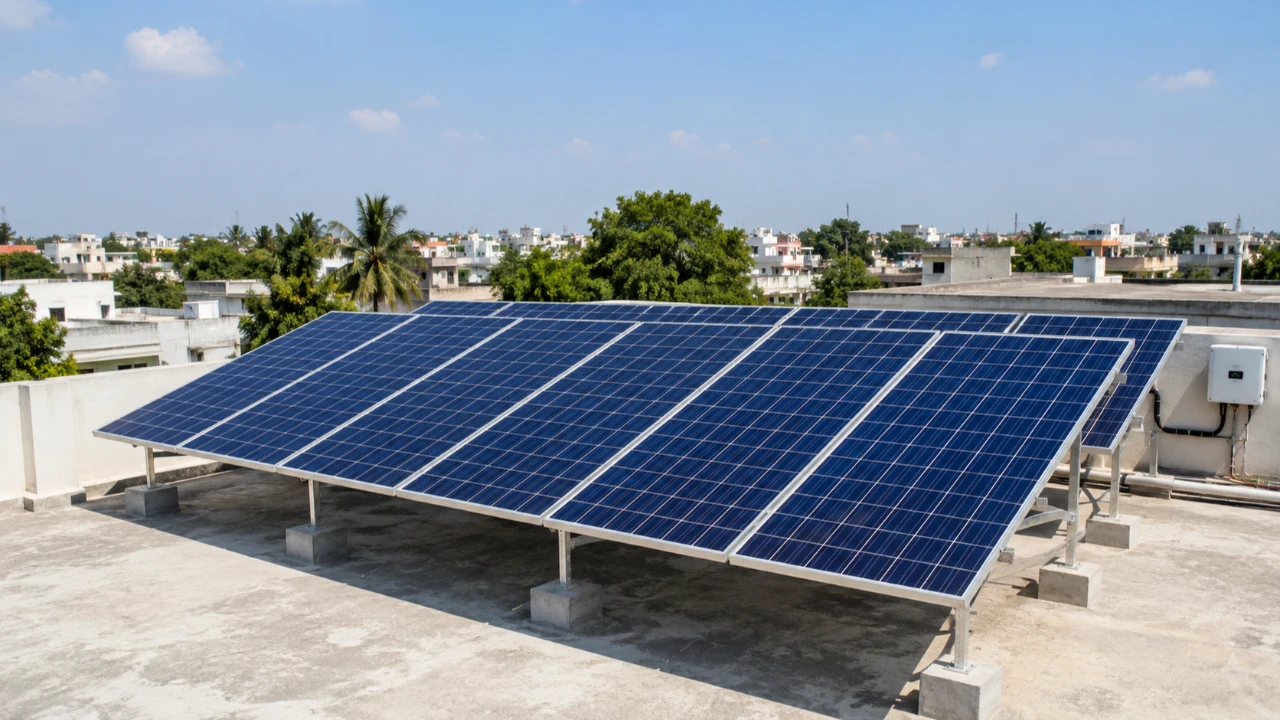
A rooftop solar system helps you generate clean electricity while reducing dependence on the grid. However, electrical safety is just as important as energy generation. Proper earthing helps protect your solar installation, electrical equipment, and household from potential electrical hazards.
Understanding solar earthing is essential when planning a new rooftop installation or maintaining an existing one. It supports electrical safety, helps manage fault currents, and reduces risks associated with lightning and insulation failures.
Let's understand why solar earthing matters, explore its types, and find out how to ensure your rooftop system is properly earthed.
What is Earthing in a Solar System?
Earthing is the process of connecting exposed, non-current-carrying metal parts of electrical equipment to the ground through a protective conductor.
In a rooftop solar installation, it creates a controlled path for fault current to flow into the earth. This helps minimise the risk of electric shock if a fault energises a metal component.
A typical solar earthing system arrangement may include:
- Earth electrodes installed in the ground.
- Earthing conductors that connect solar components to the earthing network.
- Bonding connections that maintain electrical continuity between metal parts.
Earthing is a key part of electrical safety. However, it does not replace circuit protection, lightning protection, or surge protection.
Importance of Earthing in a Rooftop Solar System
A rooftop solar system is exposed to changing weather conditions and electrical loads. Its panels, mounting structures, cables, and inverter need suitable protection against electrical faults.
Here is why solar earthing is crucial for your rooftop installation.
Reduces the Risk of Electric Shock
If damaged insulation causes a metal panel frame or inverter enclosure to become live, proper earthing provides a fault-current path. This helps protective devices disconnect the faulty circuit and reduces shock risks.
Helps Protect Solar Equipment
Electrical faults and voltage surges can damage sensitive components, including inverters. A properly designed earthing system works alongside surge protection to help manage electrical disturbances.
Supports Lightning Protection
Rooftop installations are exposed to thunderstorms. A coordinated lightning protection and earthing arrangement helps manage lightning-related electrical risks. Earthing alone cannot prevent all lightning damage.
Maintains Electrical Safety Across the Installation
Bonding conductive parts helps minimise dangerous voltage differences between accessible metal components. This is particularly important when multiple panels and structures form one rooftop array.
Supports Safe and Reliable Operation
Correctly installed and tested earthing helps protective devices perform as intended during faults. It also supports compliance with applicable electrical safety standards.
Types of Solar Earthing for Rooftop Systems
Different earthing methods serve specific safety functions. The right combination depends on the system design, inverter specifications, site conditions, and applicable electrical standards.
Common types of solar earthing include:
Equipment Earthing
Connects exposed metal parts, such as inverter enclosures and electrical cabinets, to the earthing network to reduce shock risks during faults.
Array Earthing
Bonds solar panel frames and mounting structures to maintain electrical continuity across the rooftop array.
DC Earthing
Addresses earthing requirements on the direct current side of the installation. Its configuration must follow inverter specifications and applicable standards.
AC Earthing
Connects relevant AC-side equipment and exposed conductive parts to the protective earthing system.
Lightning Protection Earthing
Forms part of a coordinated lightning protection arrangement designed to manage lightning current safely.
These functions may be implemented through interconnected components or specific arrangements, depending on the system design. They should not be treated as interchangeable or installed using a one-size-fits-all approach.
Solar Earthing for Residential Setups: What You Should Know
For homeowners, solar system earthing is an essential part of planning a safe rooftop installation. While the technical work should be handled by qualified professionals, understanding the basics can help you ask the right questions.
| Factor | What Homeowners Should Know |
|---|---|
| System Design | Earthing must suit the solar capacity, inverter, and site conditions. |
| Earthing Electrodes | Electrode type and placement depend on soil conditions and the installation design. |
| Earthing Electrode | Panel frames, mounting structures, and relevant equipment need proper bonding. |
| Safety Standards | Installation must follow applicable electrical standards and local requirements. |
| Testing | Earth resistance and continuity should be checked using suitable testing methods. |
How to Ensure Proper Solar Earthing for Home
Follow these practical steps when installing or maintaining your rooftop solar system:
Choose a Qualified Installer
Check that the installer understands rooftop solar earthing requirements and applicable safety standards.
Ask for an Earthing Plan
Confirm how the panel frames, mounting structures, inverter, and other relevant components will be earthed.
Verify Testing and Documentation
Request earthing test results and installation records during commissioning.
Schedule Periodic Inspections
Ask a qualified professional to check for corrosion, loose connections, or damaged conductors.
Review Protection Measures
Ensure earthing works alongside suitable overcurrent, lightning and surge protection.
Avoid attempting to install or modify earthing connections yourself. A qualified professional should assess the system and carry out any necessary work.
Secure Your Rooftop Solar System with Proper Earthing
Solar earthing is a fundamental part of a safe rooftop installation. It helps manage electrical faults, reduces shock risks, and supports equipment protection when designed and maintained correctly.
If you are planning a new solar installation or reviewing an existing one, make earthing verification part of your next steps. Work with a qualified installer, request test documentation, and schedule periodic inspections.
With reliable solar solutions from Eastman Auto & Power Limited, you can take a more informed approach to your rooftop energy needs. Contact Eastman to explore suitable solar solutions. Prioritise electrical safety alongside system performance to support dependable solar use at home.
 78728 78728