



Introduction
Solar energy can power many of the appliances used in a modern home, from everyday lighting and fans to higher-consumption equipment. Choosing the right appliances for a solar setup can help you make better use of the electricity your system generates.
An effective solar setup also depends on selecting the right supporting equipment. Your solar panels, inverter, battery, and other components need to work together based on your home's electricity requirements. Let’s explore the solar appliances list and the essential equipment that can help you plan a more energy-smart home.
What Can Be the Solar-Powered Appliances for a More Energy-Efficient Home?
The right appliances can help you make practical use of the electricity generated by your solar system. Your choices will depend on your household's energy requirements, available solar generation, and the type of setup you plan to install.
Here are some common options to consider:
- Lights: Solar lighting can support indoor and outdoor lighting requirements, including gardens, pathways, balconies, and other areas around the home.
- Fans: Fans are common household appliances that can operate using electricity generated by a solar system. Their suitability depends on the system capacity and your usage.
- Water Heaters: These systems use sunlight to heat water and can reduce the electricity required for conventional water heating. They are different from photovoltaic solar panels because they use solar thermal energy.
- Refrigerators: Solar-compatible refrigerators can operate using solar-generated electricity and can be useful in locations with limited or inconsistent grid power.
- Water Pumps: Solar pumps can support household water requirements, gardening, and other applications. The required system capacity depends on the pump and its usage.
- Air Conditioners: Air conditioners have higher electricity requirements than many everyday appliances. A suitable solar system and inverter capacity are therefore important when considering this option.
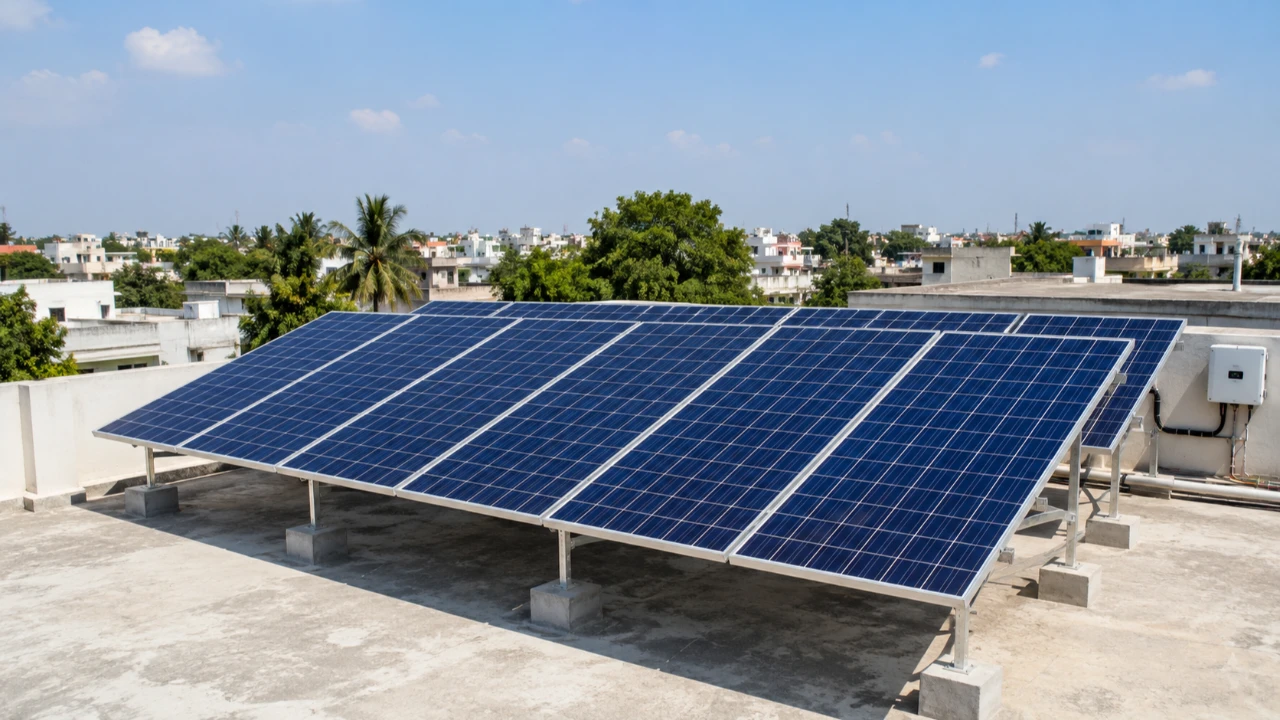
When choosing solar appliances for home, consider the supporting equipment required to operate them. Solar panels generate electricity, while the inverter converts and manages that power for compatible loads. A battery can also provide stored energy when solar generation is unavailable.
Eastman Solar Equipment Price Range for Home Setups
The cost of a solar setup depends on factors such as system capacity, equipment selection, and installation requirements. Eastman's product range includes solar panels, hybrid inverters, batteries, and Balance of System (BOS) components that can form part of a solar installation.
Here is an overview of the listed Eastman products and their price ranges:
| Solar Equipment | Available Range | MRP Range |
|---|---|---|
| Solar Panels | 500W–625W | ₹19,965–₹35,100 |
| Low-Voltage Hybrid Inverters | 3kW–10kW | ₹1,48,050–₹3,61,520 |
| High-Voltage Hybrid Inverters | 5kW–15kW | ₹3,35,370–₹3,92,490 |
| Solar Lithium Batteries | 12.8V–25.6V, 100–150Ah | ₹35,190–₹1,01,710 |
| Wall-Mounted Batteries | 25.6V–51.2V, 100–150Ah | ₹83,730–₹1,98,150 |
| Single-Phase BOS Kits | Single-phase options | ₹9,400–₹24,000 |
How to Choose the Right Solar Appliances for Your Home
Selecting solar home appliances requires considering your household's energy needs and the capacity of your solar setup. Keep these factors in mind:
Check Your Electricity Consumption
List the appliances you use regularly and identify those with higher power requirements. This can help you understand the solar capacity you may need.
Consider Usage Timings
Appliances used during daylight hours can make direct use of solar generation. Appliances used after sunset may require battery storage in a system designed for backup power.
Match Inverter Capacity
The inverter should be suitable for the connected electrical load, especially when multiple appliances operate at the same time. Higher-consumption appliances may require a larger system than basic lighting and fans.
Assess Available Rooftop Space
Your solar panels need sufficient space and suitable installation conditions to generate the required electricity. Consider the available area when planning your system.
Match Appliances With Solar Generation
Compare your appliance requirements with the expected solar generation and available storage capacity. This can help you plan a more practical solar setup for your home.
Make Your Home More Energy-Smart With Solar
A solar-powered home requires more than selecting individual appliances. Solar-powered appliances work best when the panels, inverter, batteries, and supporting components are appropriately matched to household energy requirements. Eastman Auto & Power Limited offers an integrated range of solar panels, hybrid inverters, lithium batteries, and other solar-system components, allowing homeowners to plan their setup around their energy needs.
With Eastman's 24x7 service support and a stated 2-hour response time, homeowners can also access ongoing assistance as part of their solar setup. Reviewing the list of solar appliances alongside the available solar equipment can help you make more informed choices when planning your home's energy setup.
 78728 78728