



Introduction
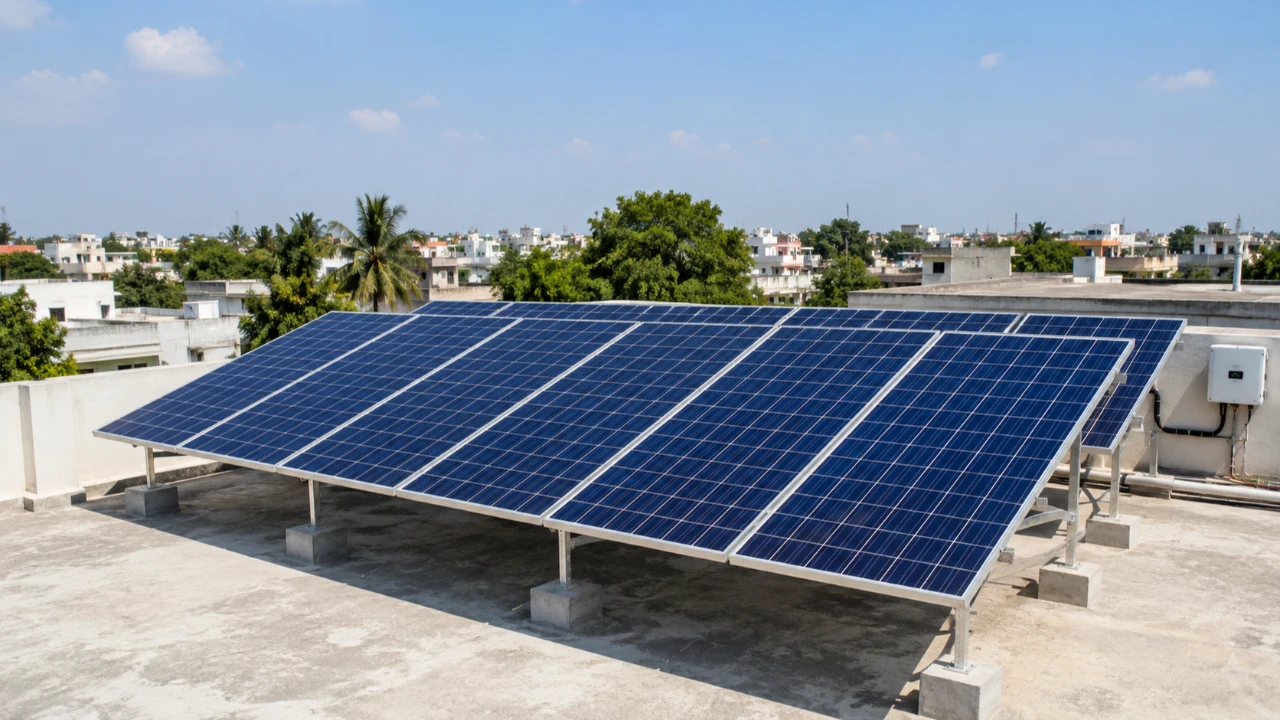
A rooftop solar panel may look like one continuous surface, but it contains several interconnected cells working together. These small units perform the essential task of converting sunlight into usable electrical energy. Their material, internal structure, and design influence how efficiently a solar module performs.
The silicon solar cell has become central to modern solar power because it combines established manufacturing methods with dependable energy conversion. It is used across residential rooftops, commercial installations, solar farms, and smaller standalone applications.
To understand its importance, it helps to examine what the cell contains, how it generates electricity, and which forms are commonly available.
What is a Silicon Solar Cell?
A silicon solar cell is a photovoltaic device that uses silicon as its main semiconductor material. It converts sunlight directly into direct current electricity through the photovoltaic effect.
The simplest meaning of a silicon solar cell is a small electricity-generating unit made from specially processed silicon. Individual cells produce limited voltage and power, so manufacturers connect multiple cells to form a solar module or panel.
A typical cell contains:
- A thin silicon wafer or silicon-based layer
- Positively and negatively treated semiconductor regions
- A junction between those regions
- Metal contacts that collect electrical current
- An anti-reflective coating that improves light absorption
- A protective surface and supporting layers
Silicon is naturally a semiconductor, which means its electrical conductivity sits between that of a conductor and an insulator. Manufacturers modify its electrical properties through a controlled process called doping. This creates the internal conditions needed to separate electrical charges when sunlight reaches the cell.
A silicon photovoltaic cell is therefore different from a complete solar panel. The cell generates electricity, while the panel combines and protects many interconnected cells within one module.
How Does a Silicon Photovoltaic Cell Work?
A silicon photovoltaic cell converts light into electricity through a sequence of connected processes. Each stage has a specific function, from absorbing sunlight to delivering usable electrical power.
1. Sunlight Reaches the Cell
Sunlight contains small packets of energy called photons. When photons reach the cell surface, some are reflected, while others enter the silicon material.
An anti-reflective coating reduces unnecessary reflection and helps more light enter the cell. The amount of useful light absorbed can influence the electricity generated under given conditions.
2. Photons Transfer Energy
Photons that carry sufficient energy transfer it to electrons within the silicon. This added energy allows the electrons to break free from their existing atomic bonds.
The process creates mobile electrons and corresponding spaces called holes. Both participate in moving electrical charge through the cell.
3. The Junction Separates Charges
A silicon PV cell usually contains two differently treated semiconductor regions. One region contains additional electrons, while the other has more available holes.
The boundary between them creates an internal electric field. This field guides electrons in one direction and holes in the opposite direction, preventing the charges from immediately recombining.
4. Metal Contacts Collect Current
Metal contacts placed on the front and rear surfaces collect the separated electrical charges. When the cell connects to an external circuit, electrons travel through that circuit.
This movement creates direct current electricity. The cell continues generating power while sufficient light reaches its surface and the circuit remains connected.
5. The System Converts the Electricity
Multiple cells connect within a module to produce a practical level of power. Panels may then connect in series or parallel to form a larger solar array.
The electricity produced remains direct current at this stage. A solar inverter converts it into alternating current, which can power common electrical appliances or synchronise with the electricity grid.
What are the Main Types of Silicon Solar Cells?
Silicon solar cells differ mainly in their crystal structure and manufacturing method. The three principal types are:
1. Monocrystalline Silicon Cells
These cells are made from a single silicon crystal. They offer high efficiency and suit rooftops with limited installation space. PERC, bifacial, and N-Type TOPCon technologies commonly use monocrystalline silicon.
2. Polycrystalline Silicon Cells
Polycrystalline cells contain multiple silicon crystals and typically have a blue appearance. They remain suitable for installations with sufficient space, although monocrystalline panels now offer higher efficiency in comparable areas.
3. Amorphous Silicon Cells
These cells use a thin, non-crystalline silicon layer deposited onto a supporting surface. Their lightweight construction suits small electronics and specialised applications, but they generally offer lower efficiency than crystalline cells.
5 Key Benefits of Silicon Solar Cells
Silicon solar cells remain widely used because they combine established technology with flexible applications.
Established Technology
Decades of development have made silicon photovoltaic technology well understood and suitable for dependable module production.
Long Operating Life
Quality silicon modules can operate for 25 years or longer, although performance depends on manufacturing, installation, weather, and maintenance.
Multiple Cell Designs
Silicon supports monocrystalline, PERC, bifacial, and N-Type TOPCon designs for different space and output requirements.
Scalable Applications
Silicon cells can power small devices, residential rooftops, commercial buildings, and large solar projects.
Mature Manufacturing
Established production processes, testing standards, and supply chains support the large-scale manufacturing of silicon-based solar modules.
Build Solar Systems Around Proven Cell Technology
The silicon solar cell performs the essential conversion at the centre of a photovoltaic system. Its semiconductor structure absorbs light, separates electrical charges, and produces direct current electricity for the connected system.
Understanding the differences between monocrystalline, polycrystalline, and amorphous cells makes solar module specifications easier to evaluate. Panel efficiency, wattage, roof space, inverter compatibility, warranty, and installation quality should still be assessed together.
Eastman Auto & Power Limited offers silicon-based solar panel options for different residential and commercial energy requirements. Choose the panel technology that matches the available space and expected generation.
 78728 78728